
WINNEBAGO SPRINGS | ELEGANT & RUSTIC AUTUMN WEDDING
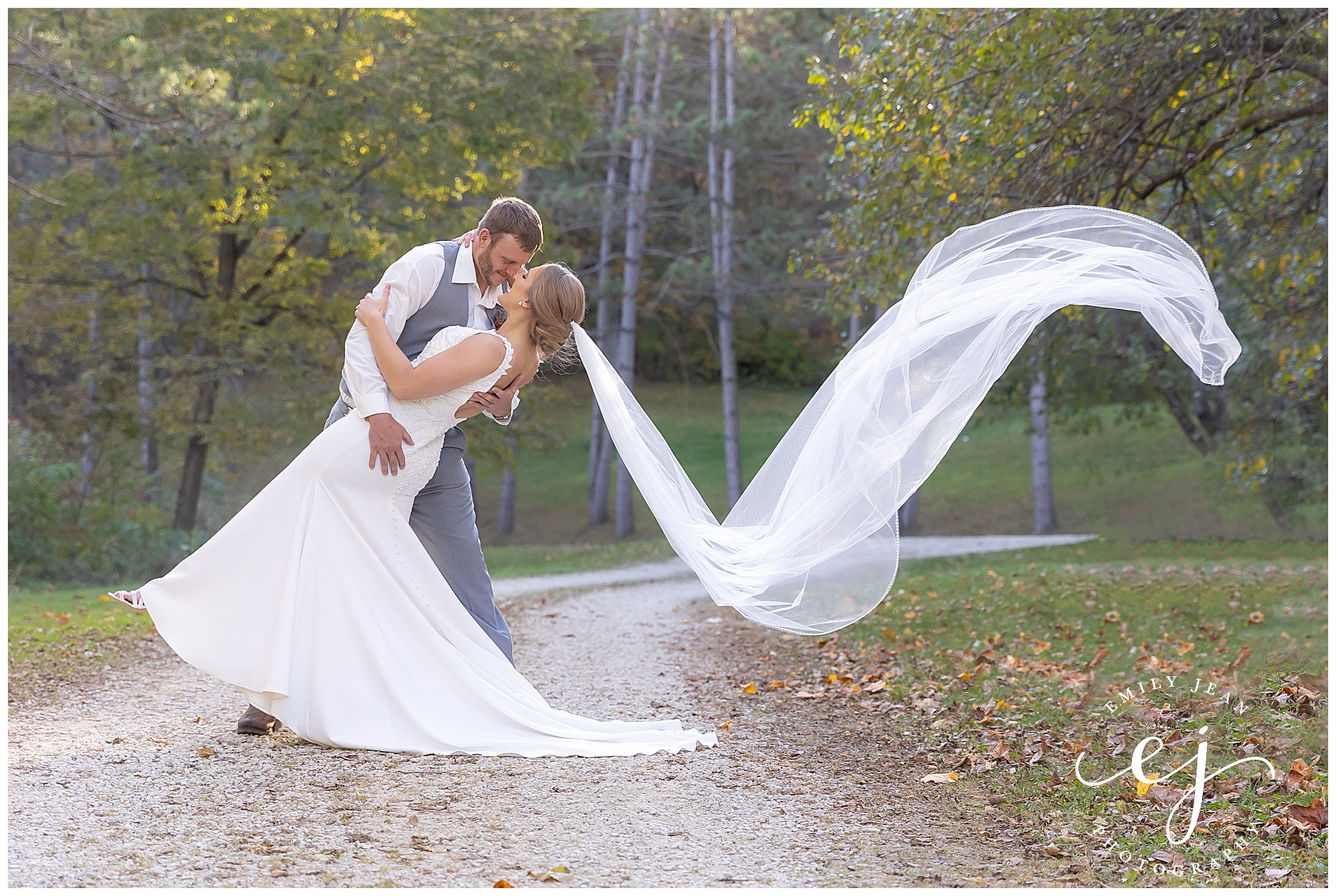 Savana and Greg had the perfect balance of romance and fun at their wedding this fall, and I was so happy to be part of it. This wedding stood out because it had a great blend of outdoorsy, naturalistic settings that also carried some traditional and romantic wedding styles.
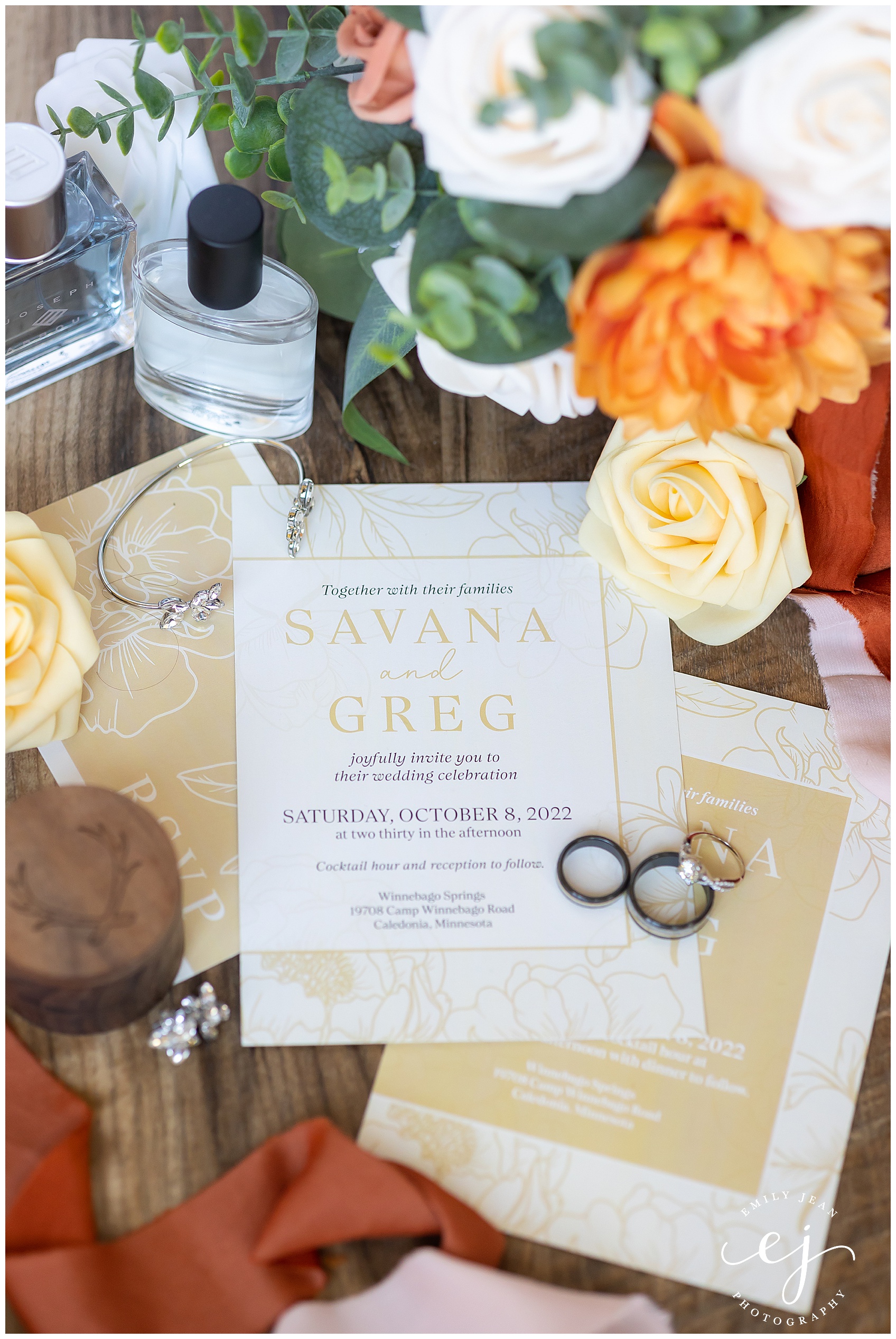 We met the couple at their venue, Winnebago Springs in Caledonia, MN, which matched their unique and personal style perfectly.
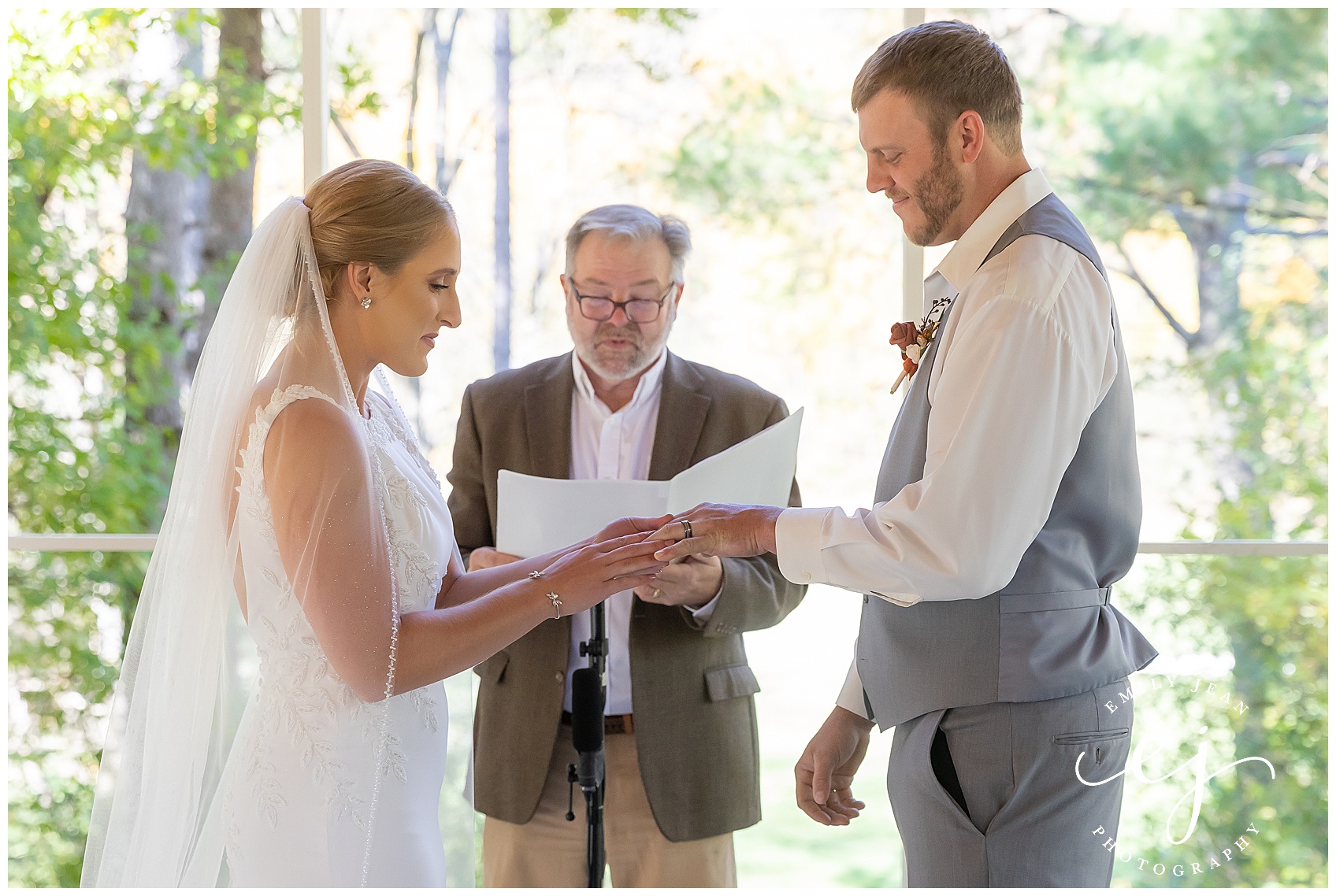
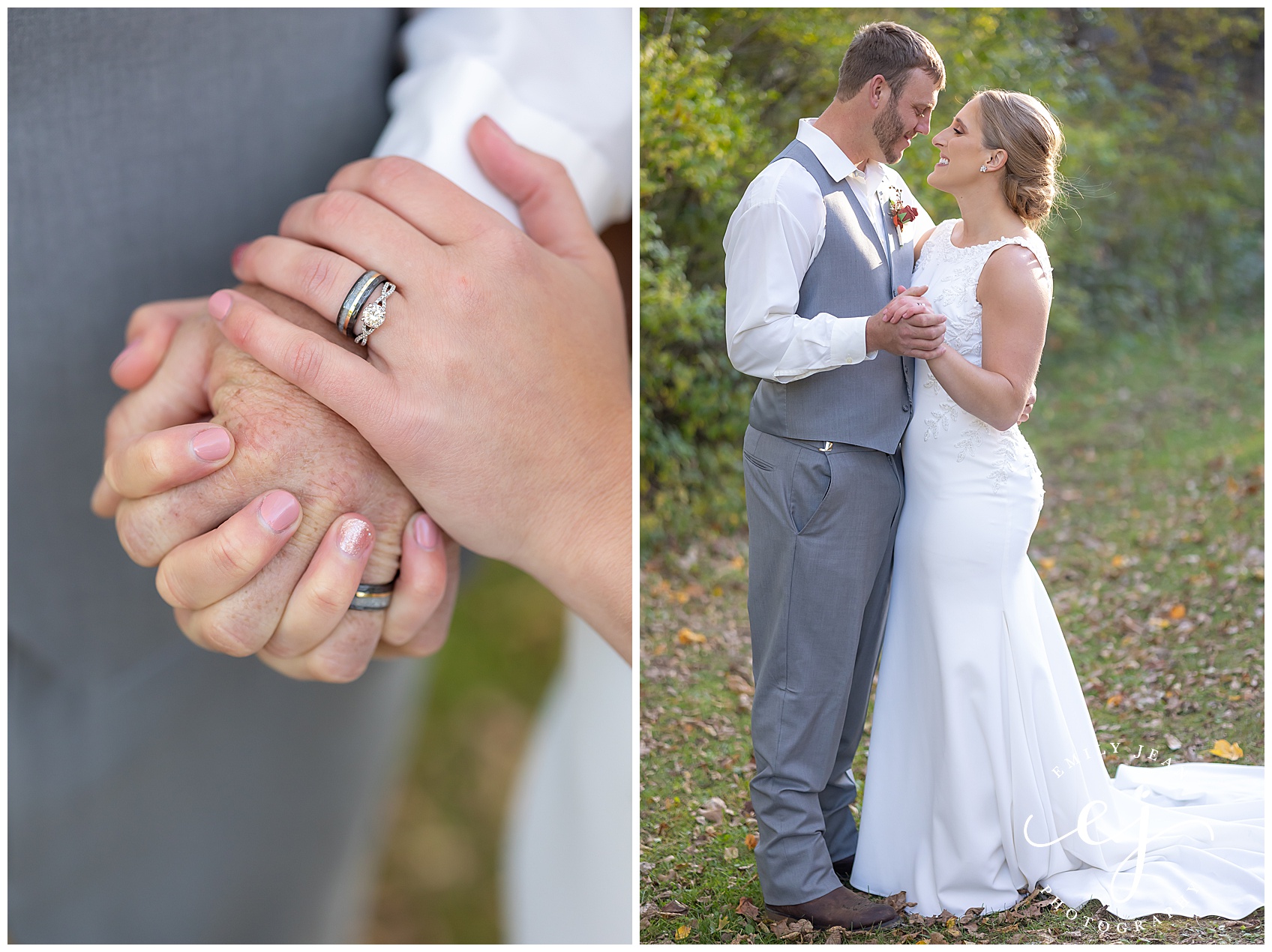
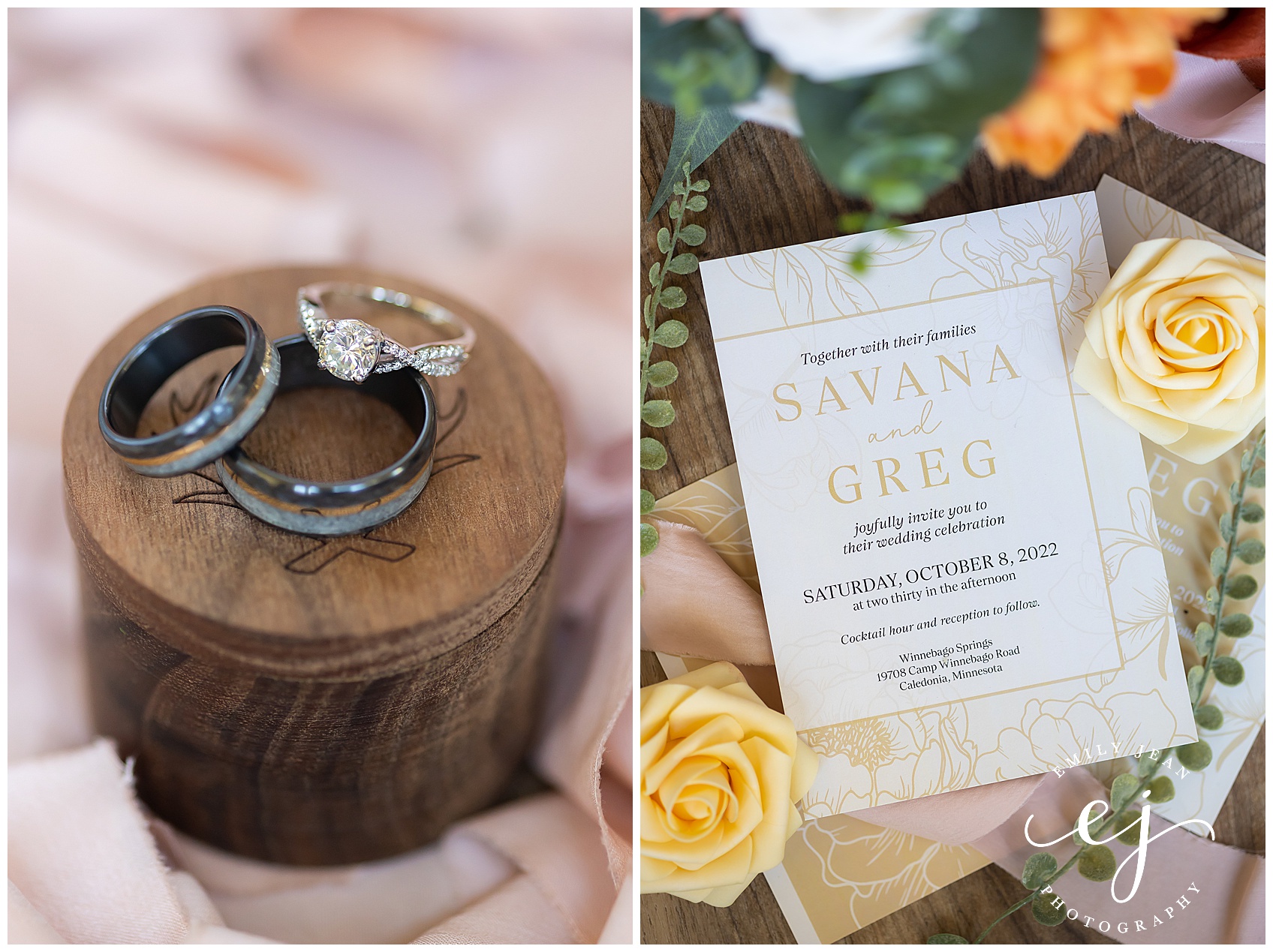 Their matching wedding rings are even made of Elk antler, a first for me but something that made for a really cool standalone shot.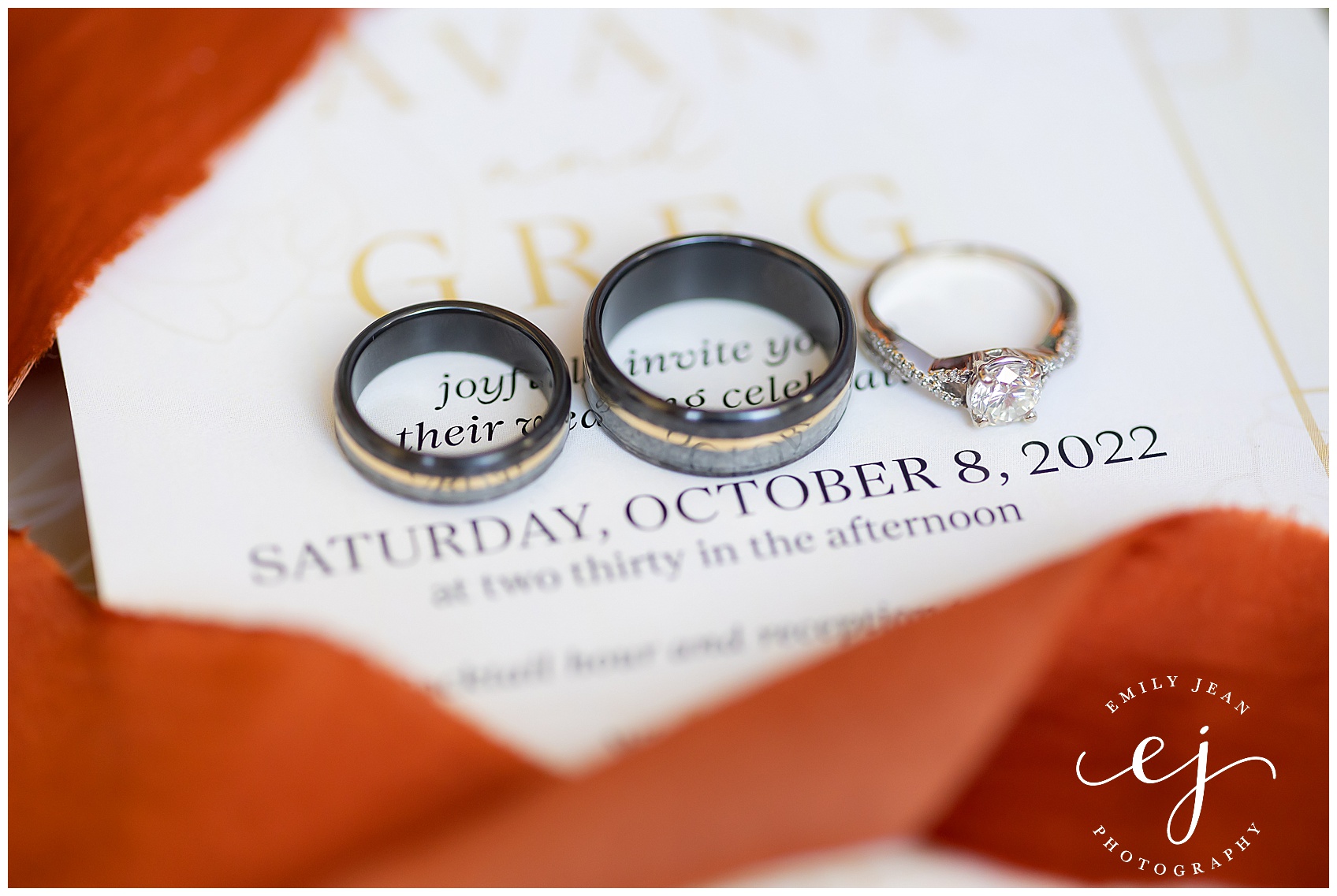
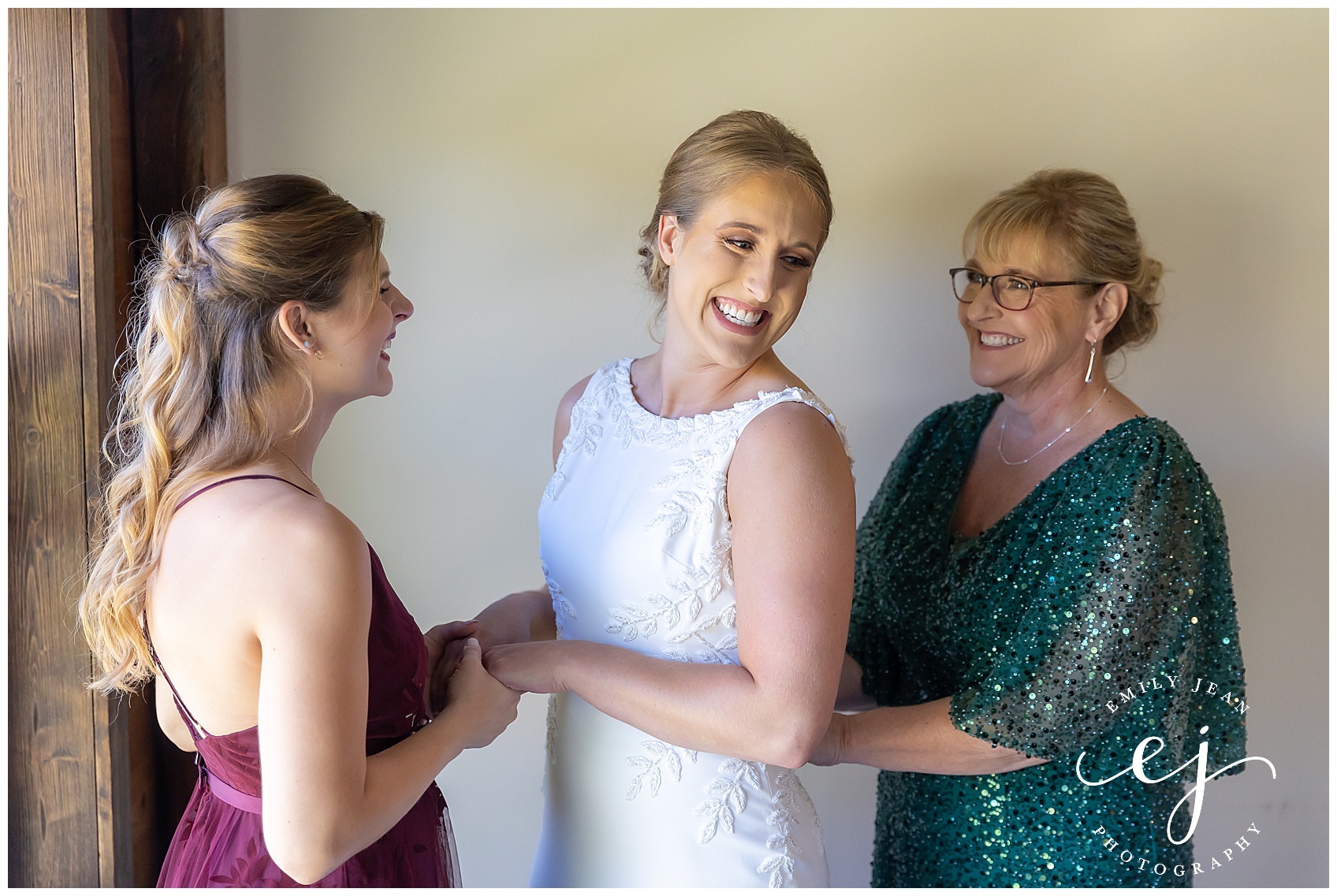
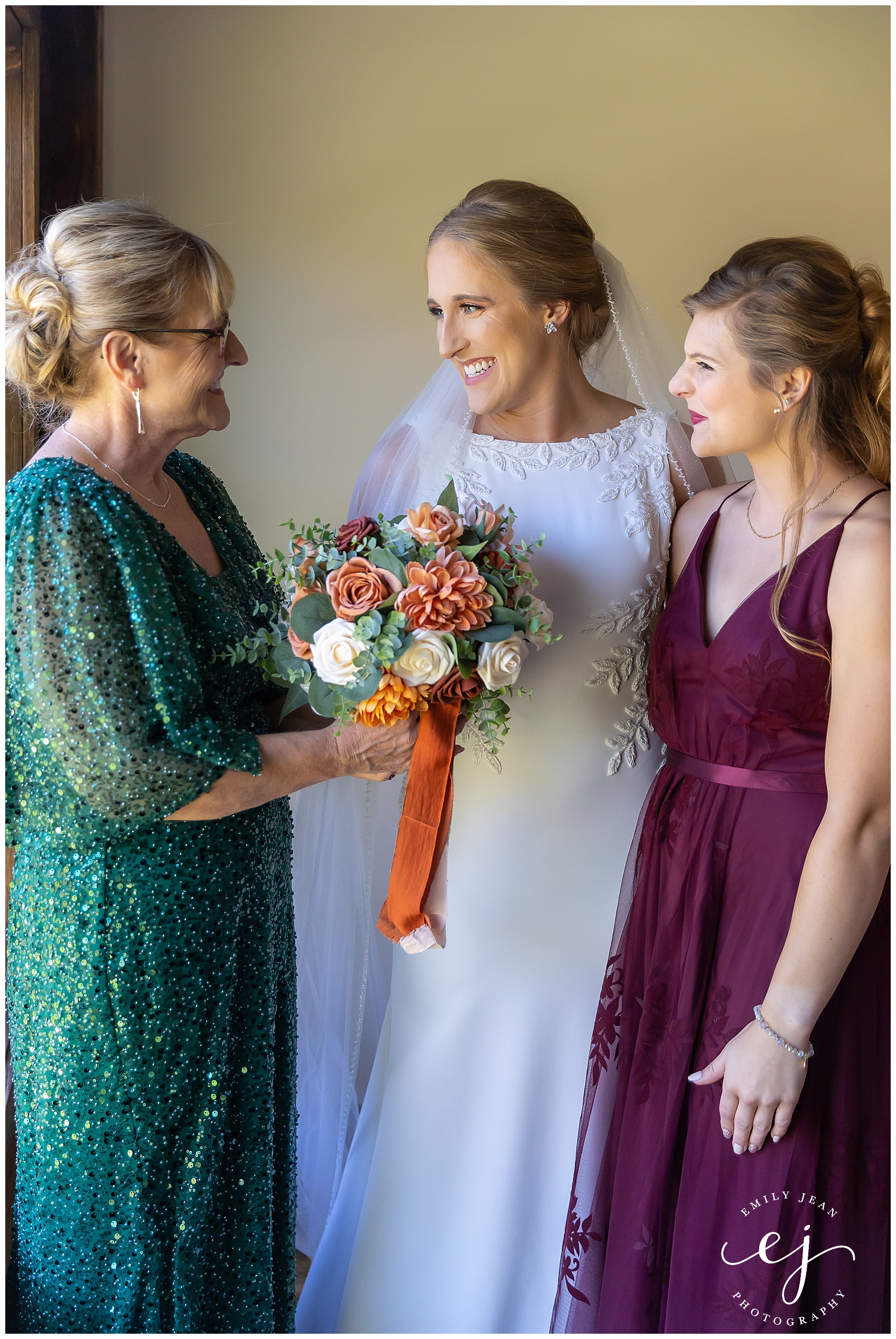
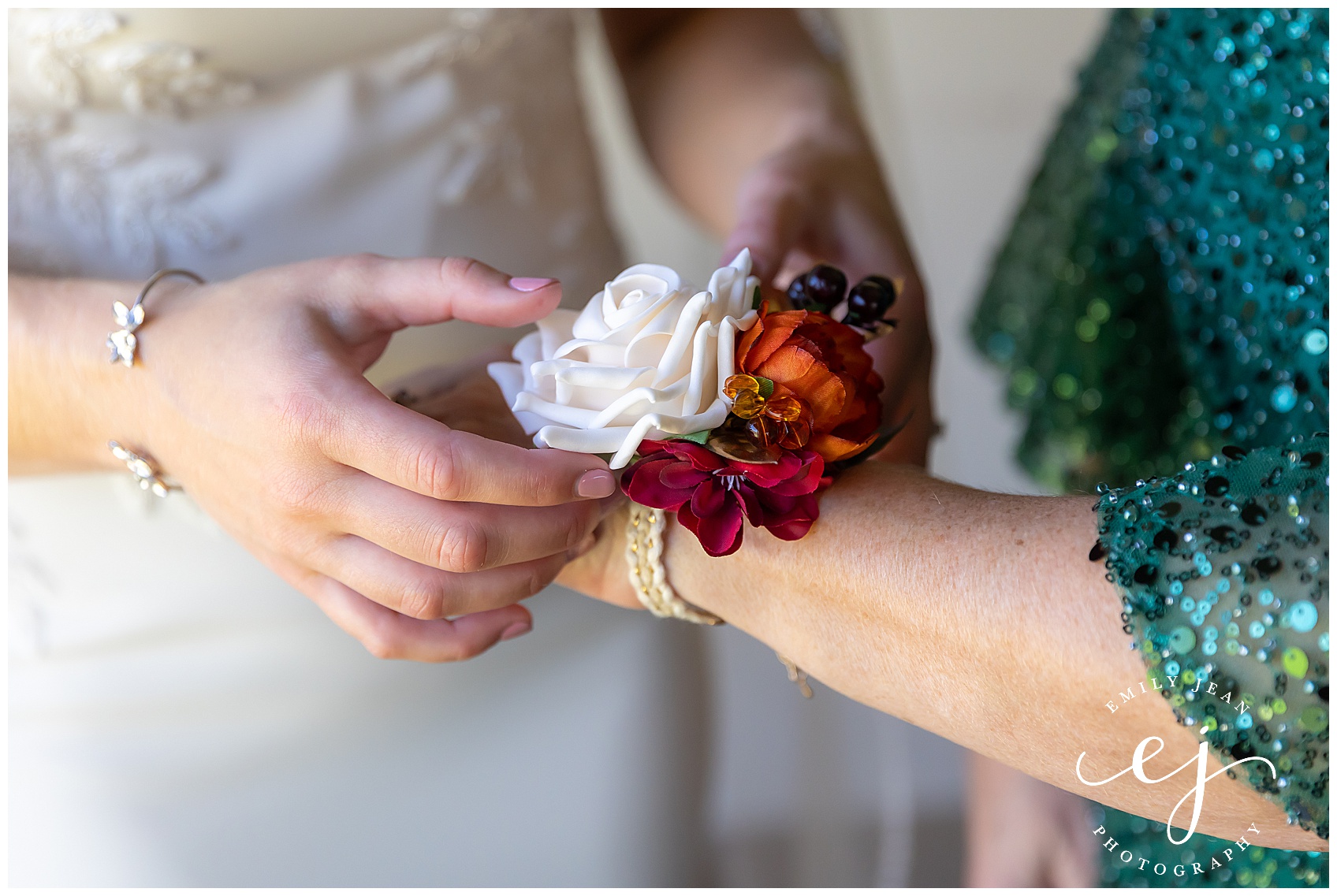 Savana’s mom even offered us a South Dakotan treat in chocolate-covered potato chips when we first arrived, so we knew we were in for a great day from the start. 🙂
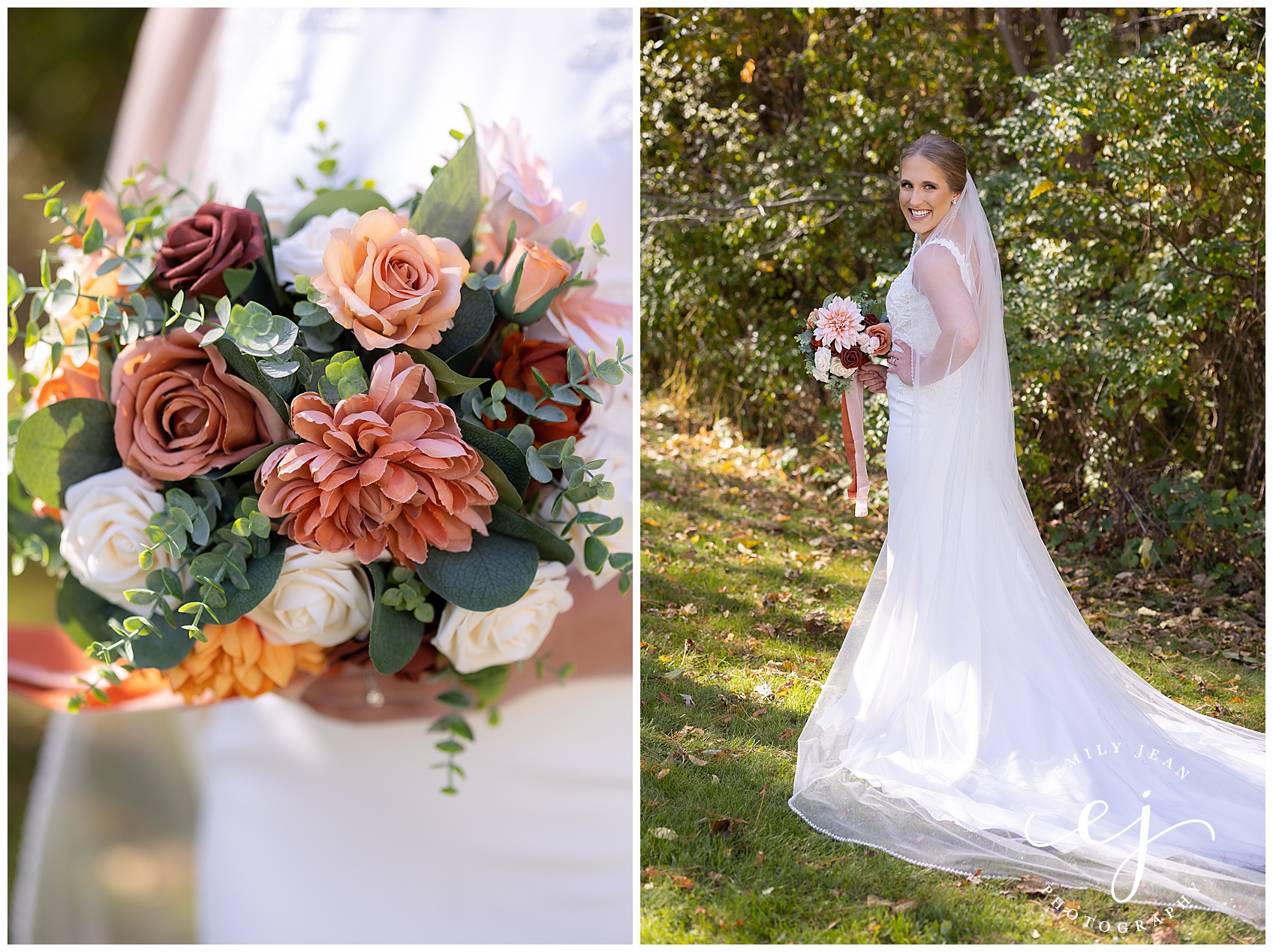
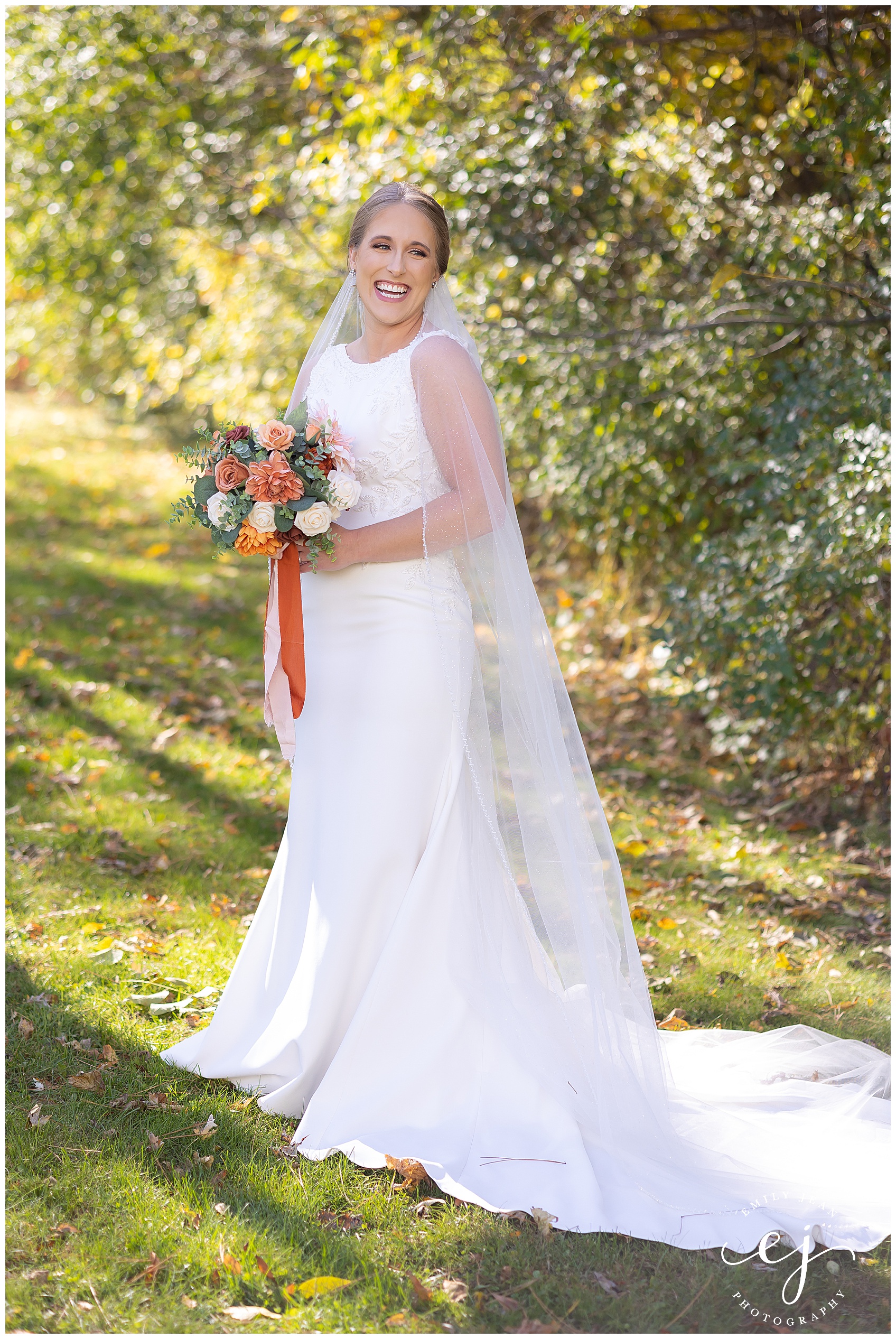
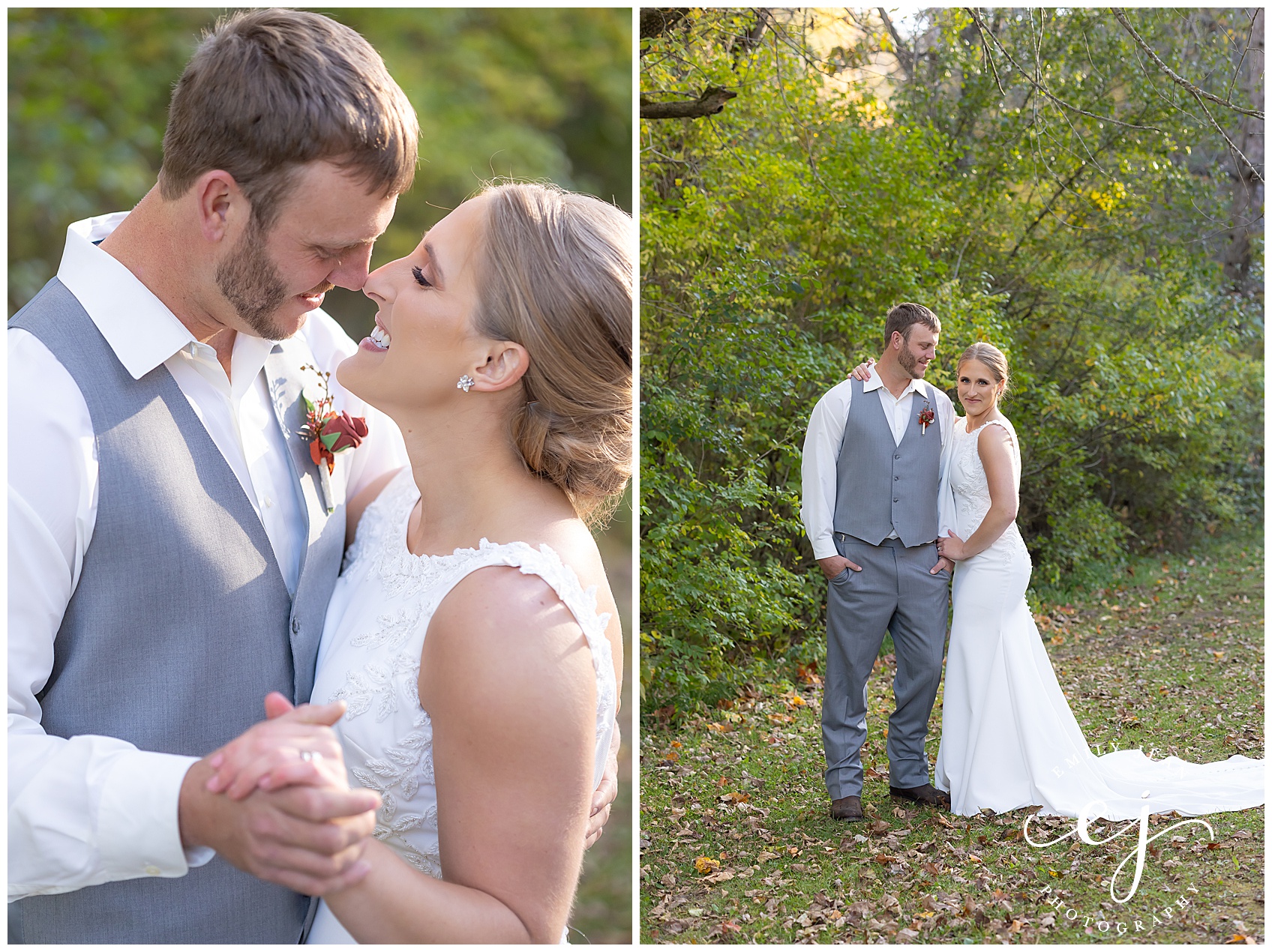
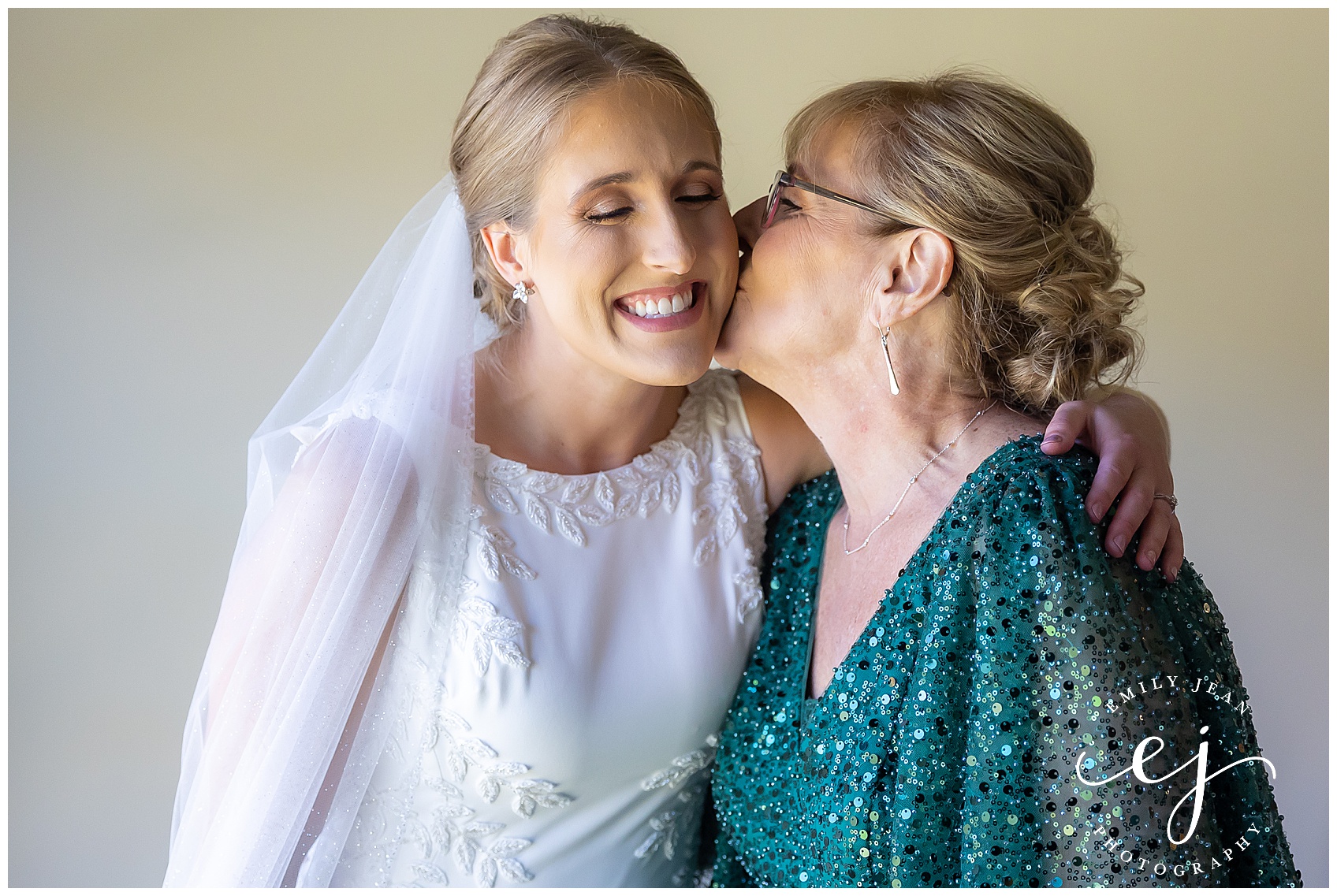 We took some bridal portraits prior to the ceremony, and Savana let her beauty shine. She is all about helping and serving others, so I thought it was fitting that she got to be the one in the limelight on her big day.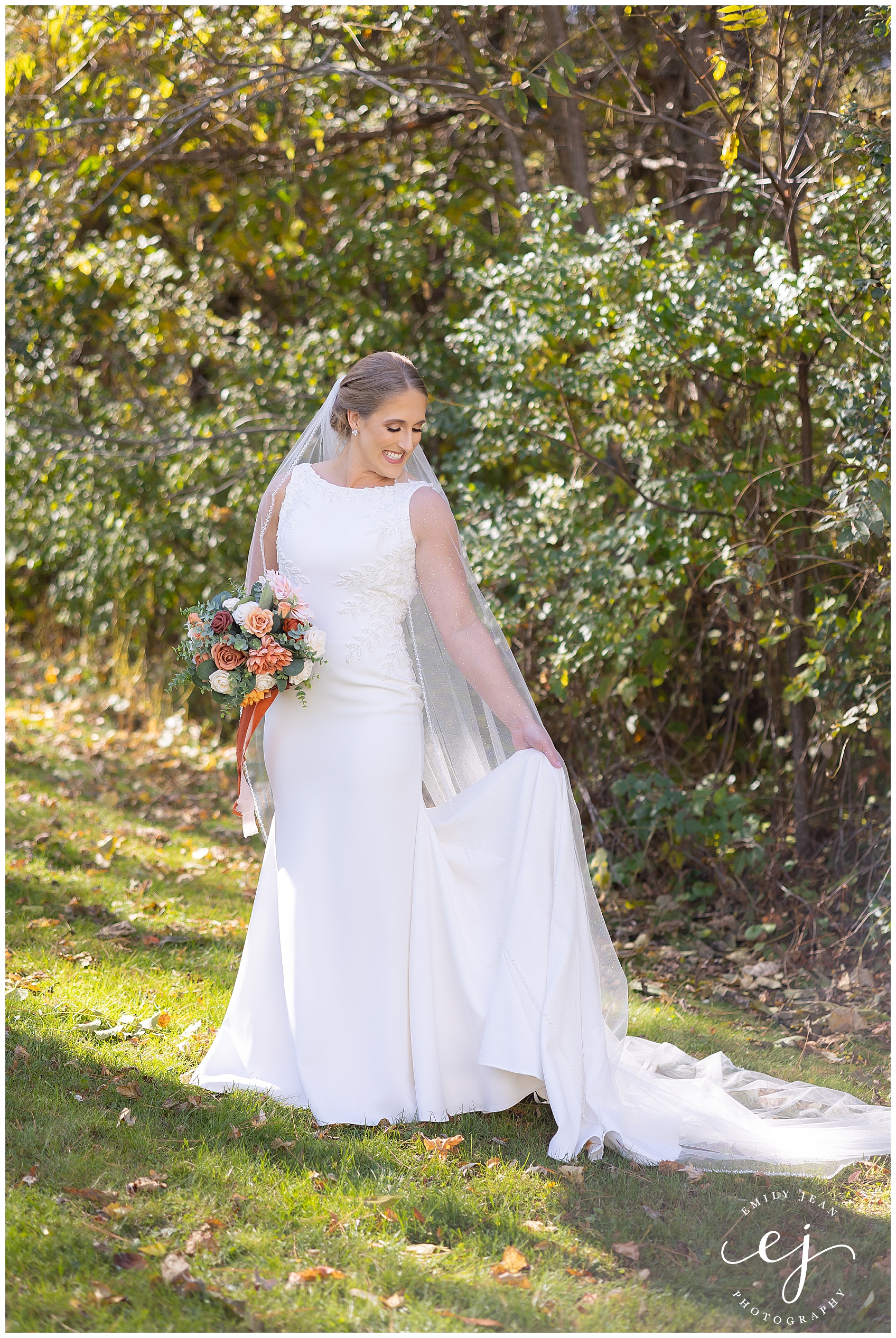
 Greg let his fun side show on the warm fall day, but he also showed this soft, sweet and quiet demeanor that was precious. Whether it was his mother pinning a boutonniere on him or his moments with Savana, you could see he was loving every moment and soaking in the wedding.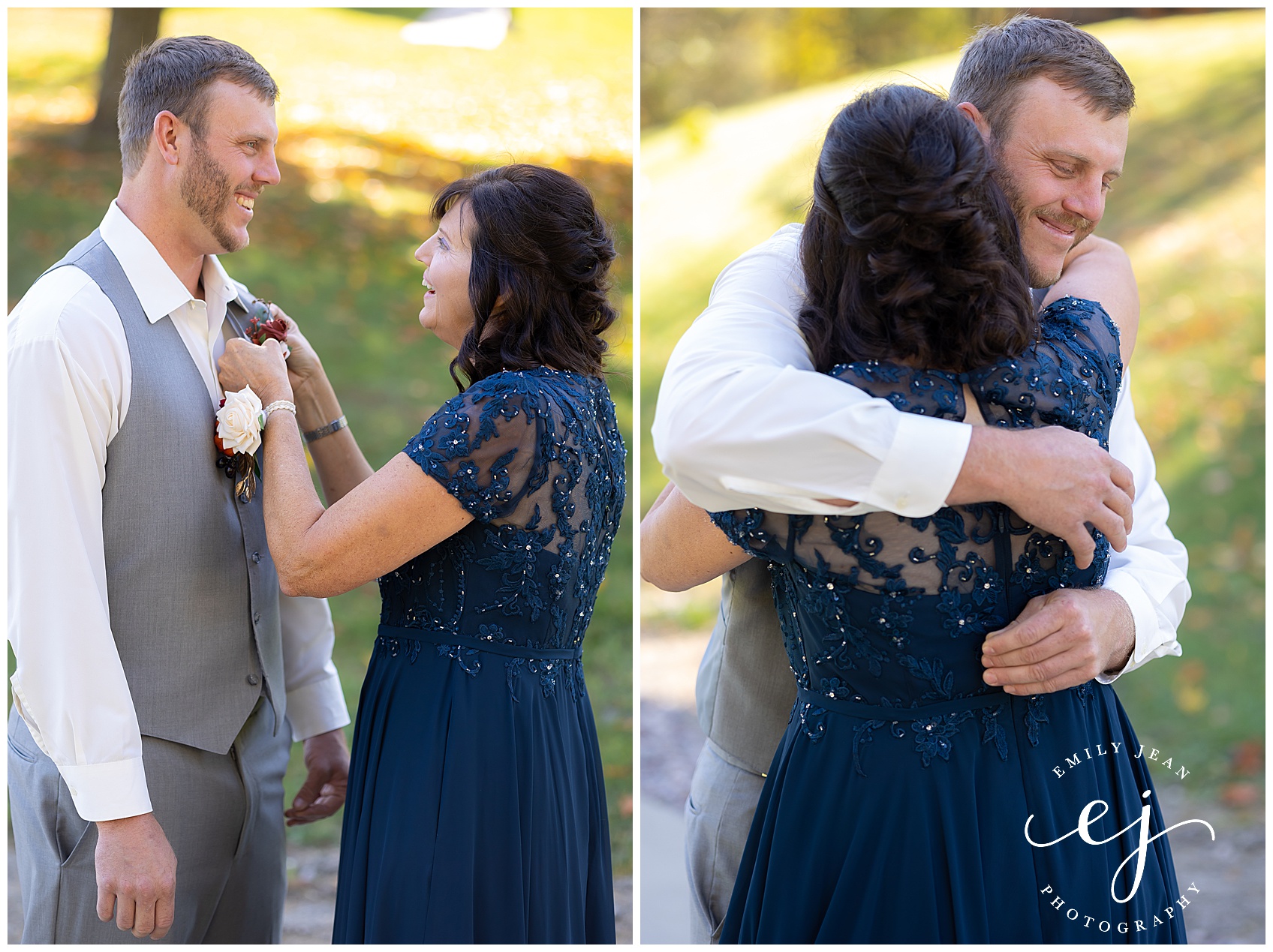
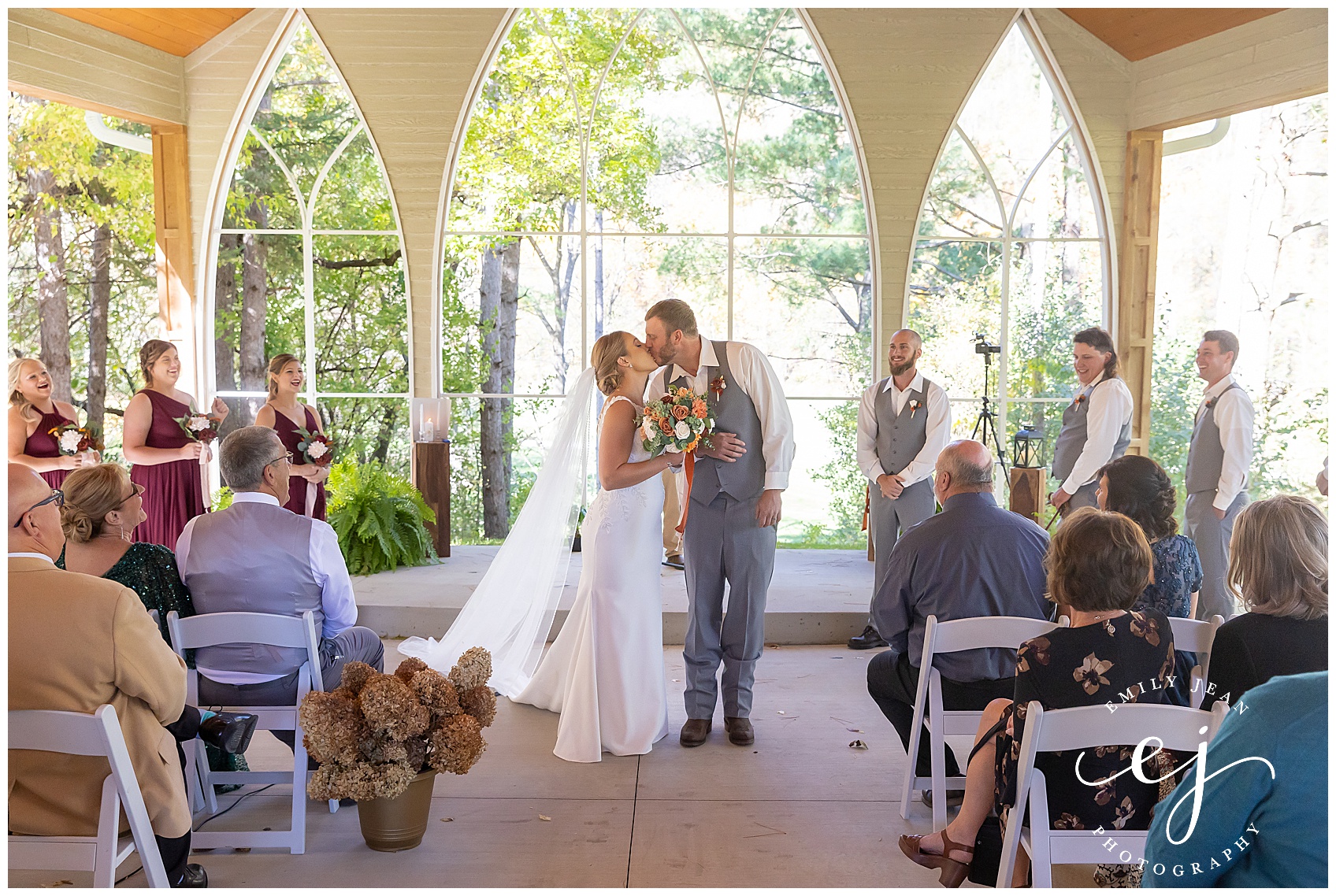
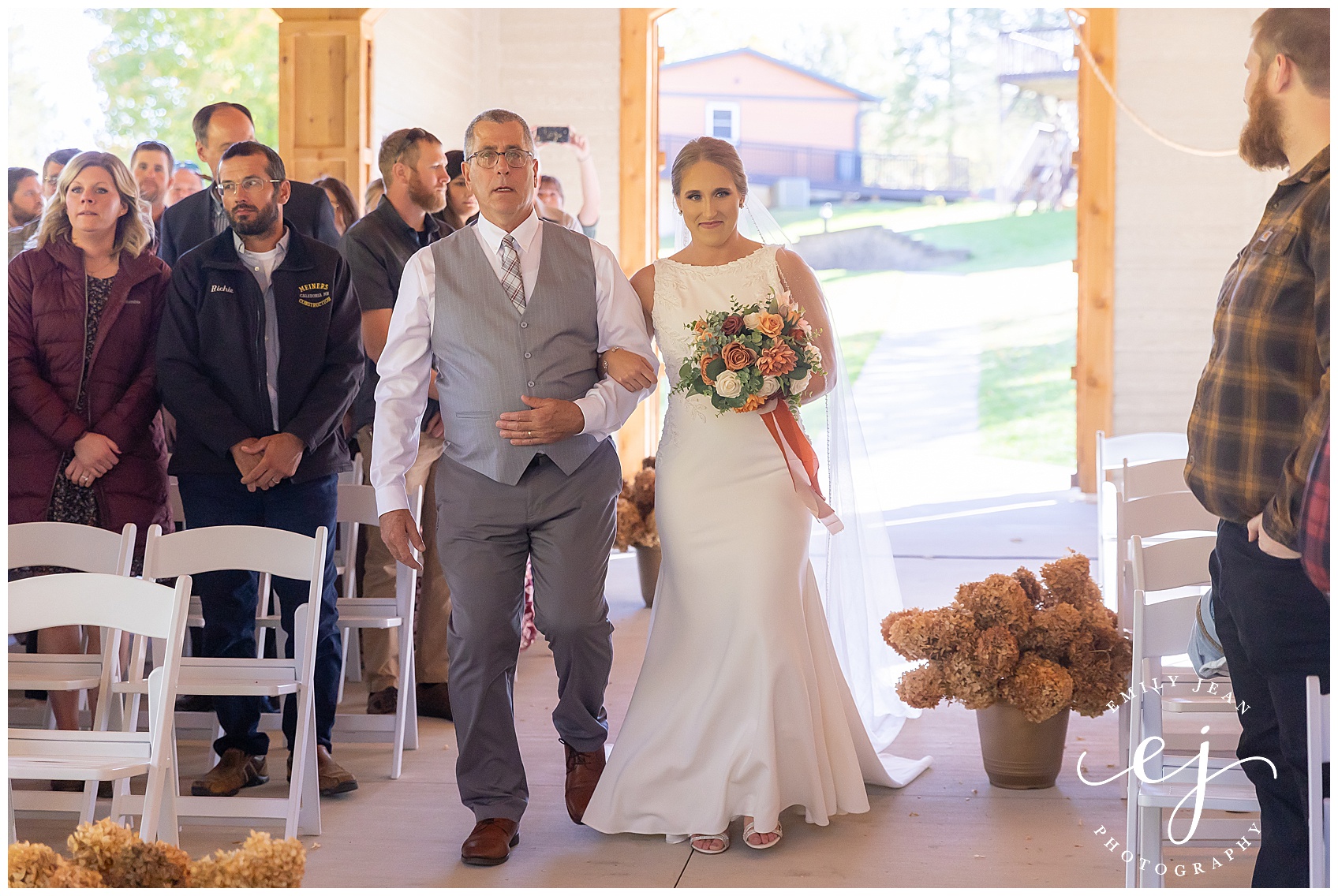 Winnebago Springs boasts a beautiful open air outdoor chapel that sits in front of a wide field, flashing spurts of bright greens, lots of sun and expansive fall colors. The couple wanted an outdoor wedding because they love to be outside any chance they can get and love to hunt.
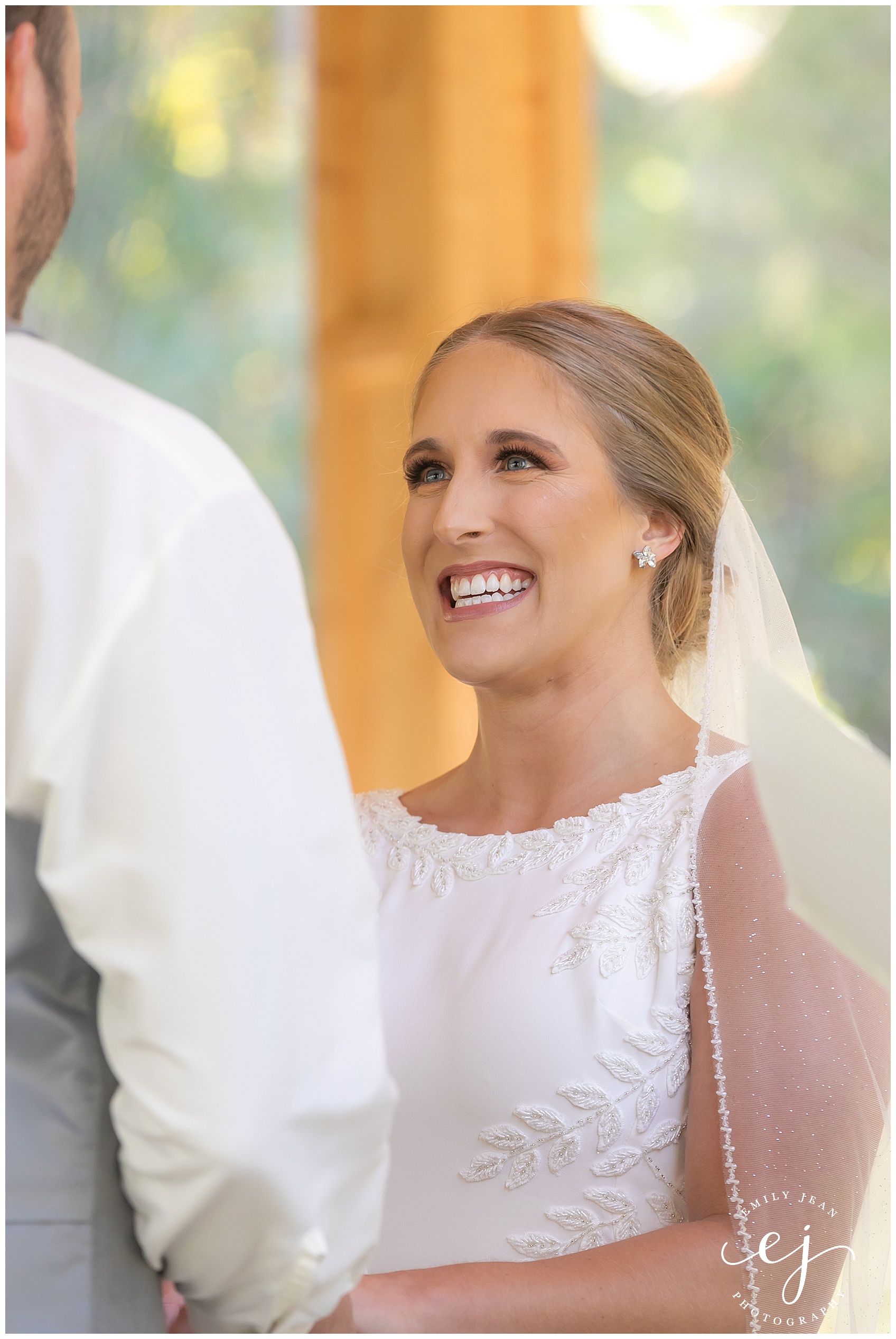
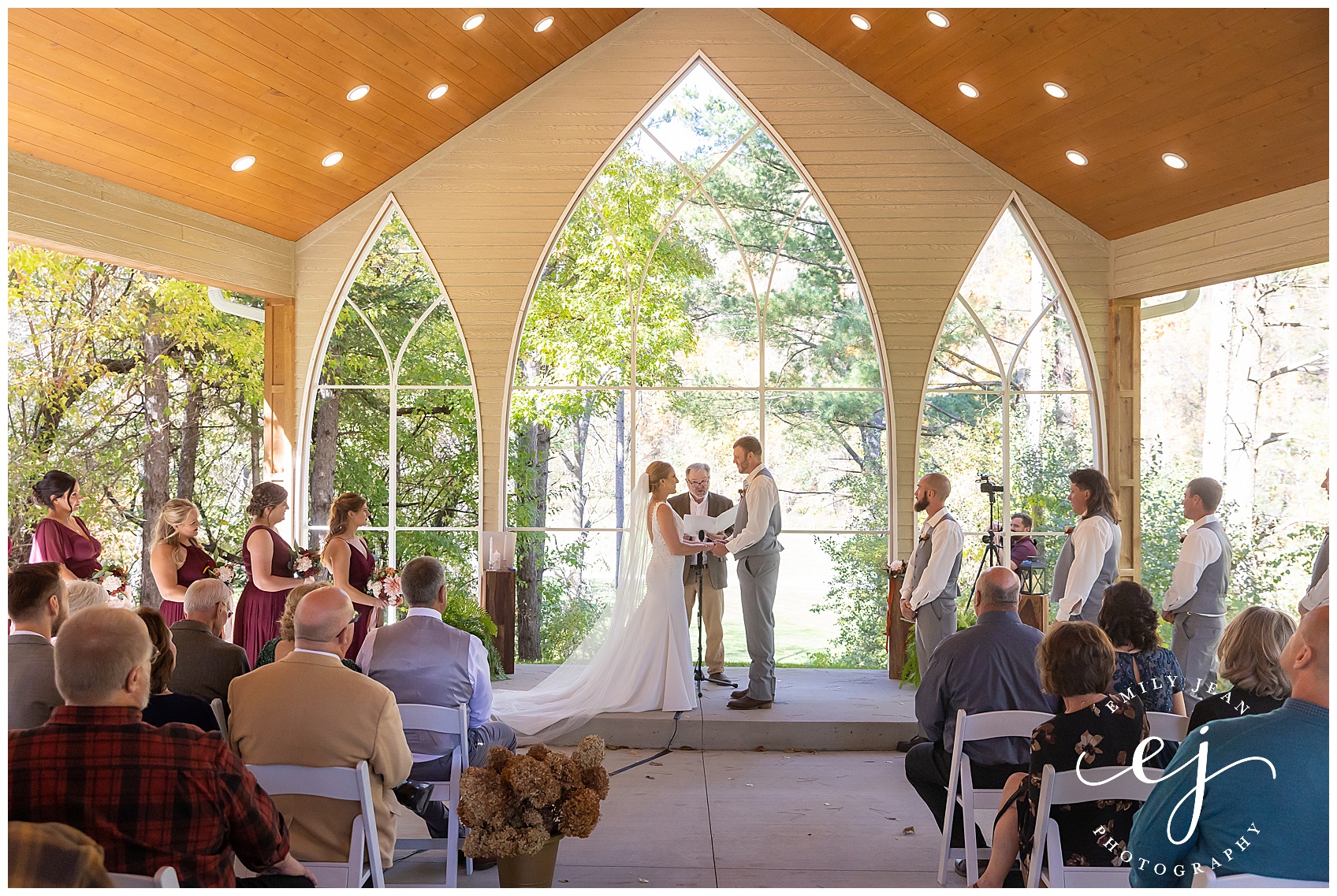 Their ceremony was short and sweet, but the couple wore their raw excitement on their faces.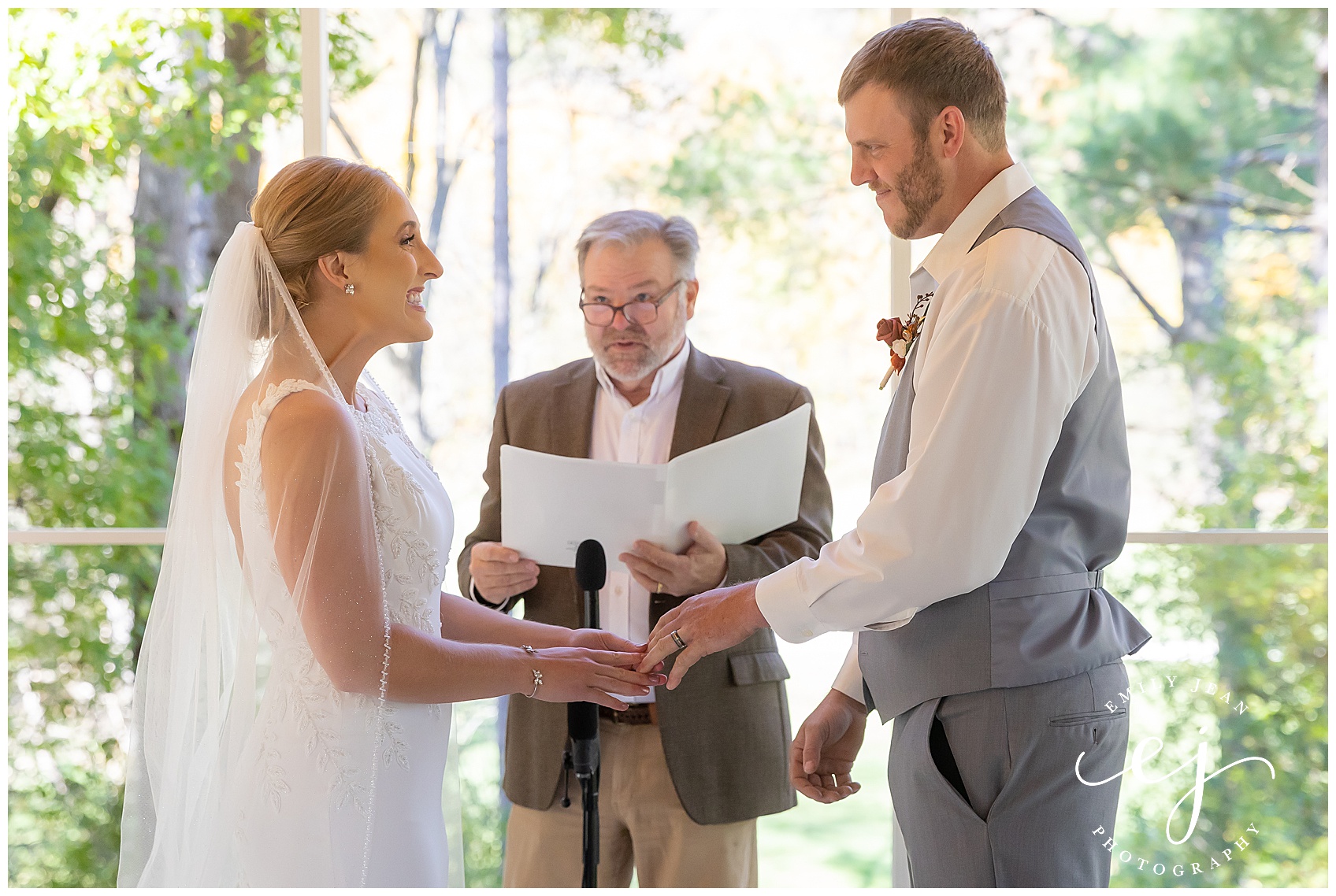
 Grandma and grandpa holding hands for the trading of vows was something I had to capture. I make sure I’m getting these precious moments during a shoot because they often are the special ones that people don’t think about right away but love to have in their album after the fact.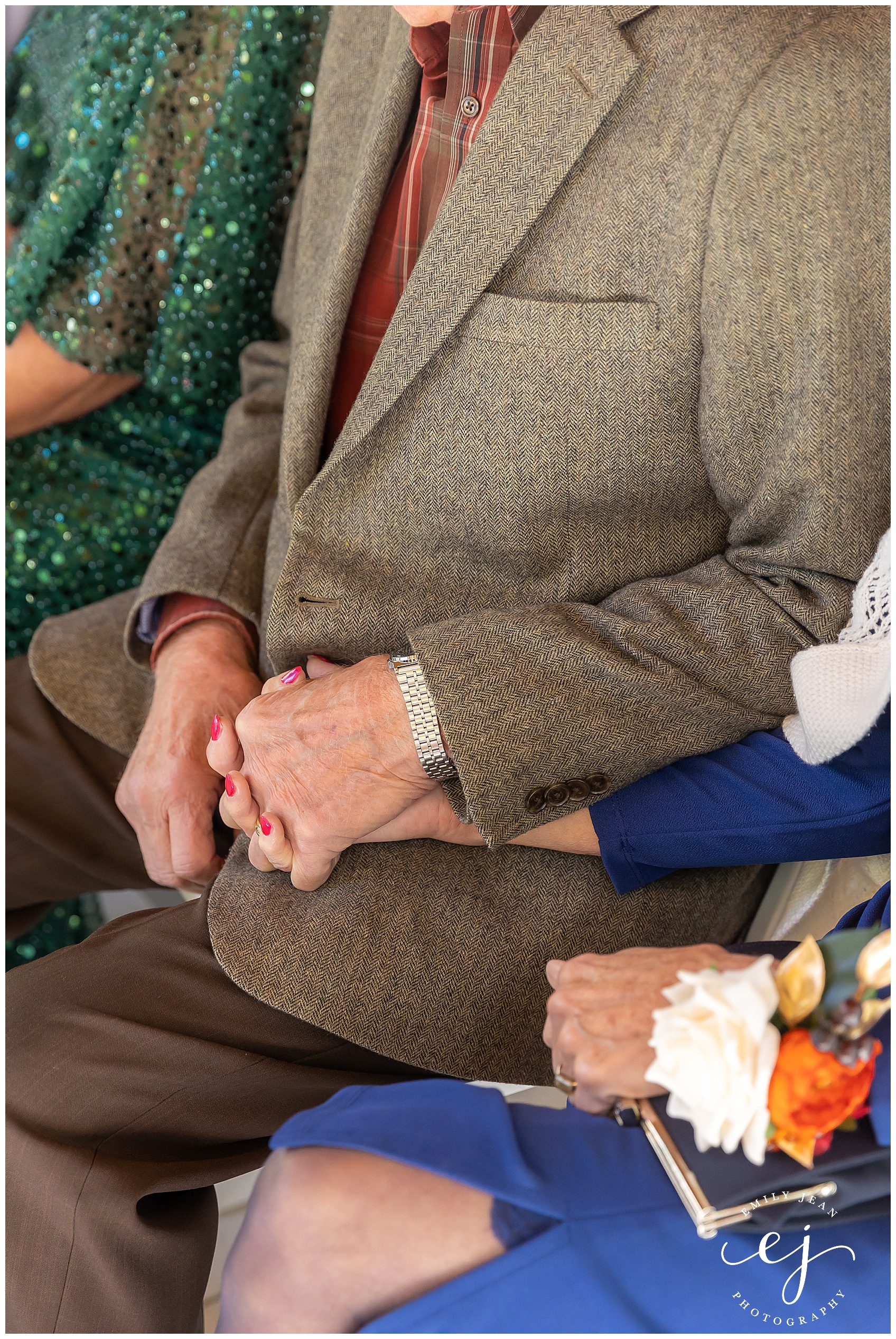
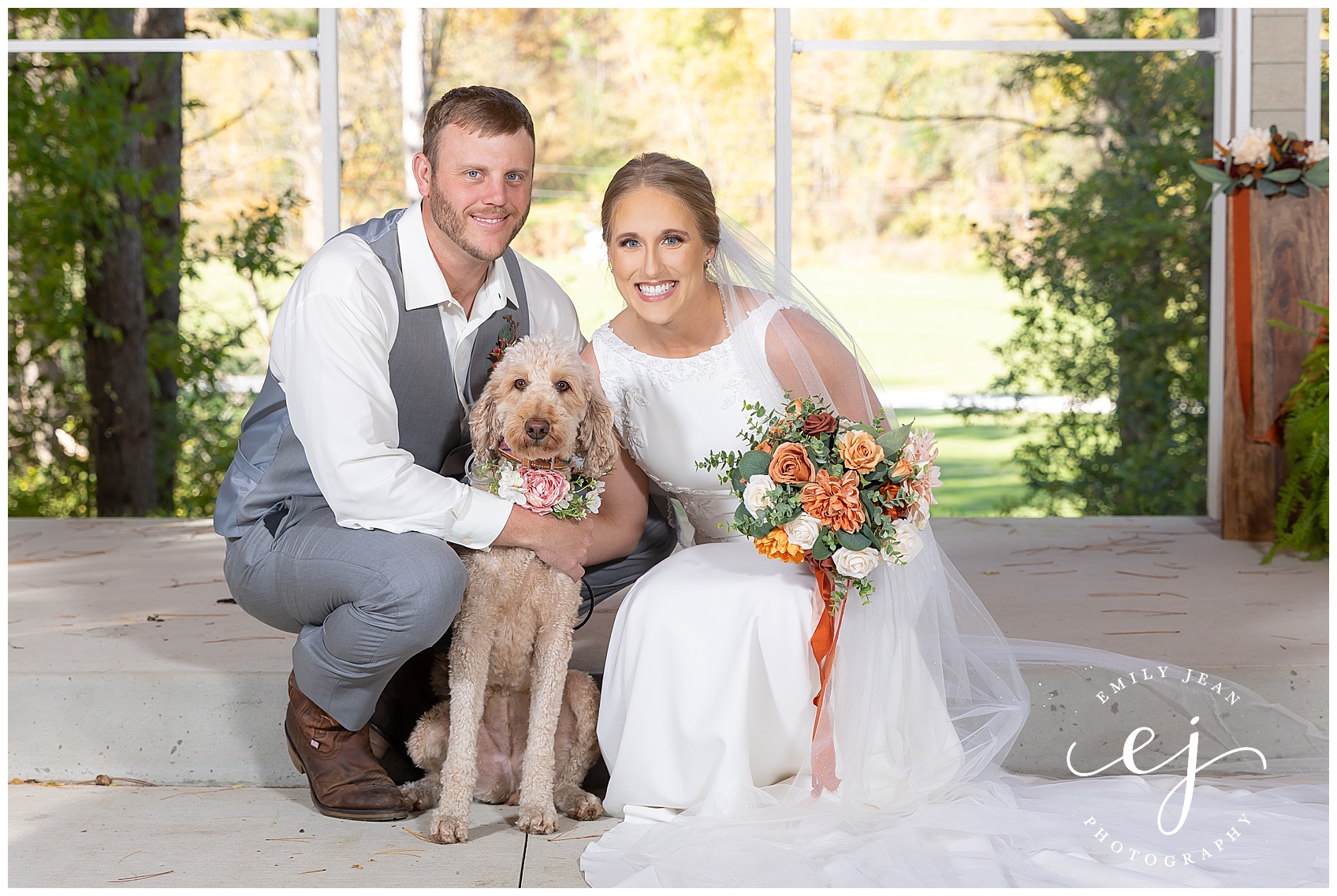
 Savana and Greg’s dog, Remi, was an adorable addition to the day. Remi walked up the aisle at the ceremony and took part in family photos. Remi is their heart and soul as their first child, and you could tell the pup is their best friend.
 We let the bridal party get to cocktail hour while I captured some more portraits of the couple to knock those out quickly.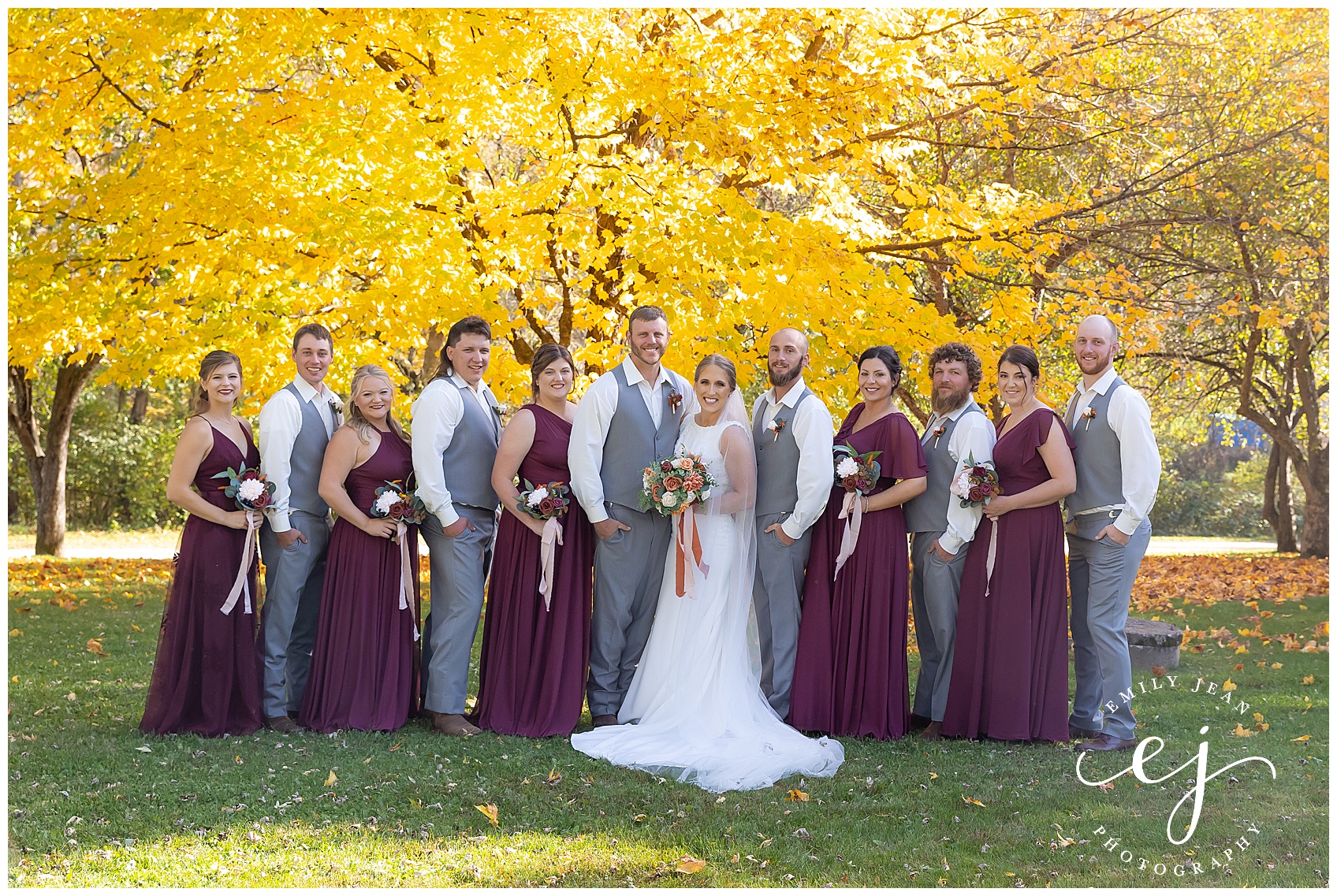
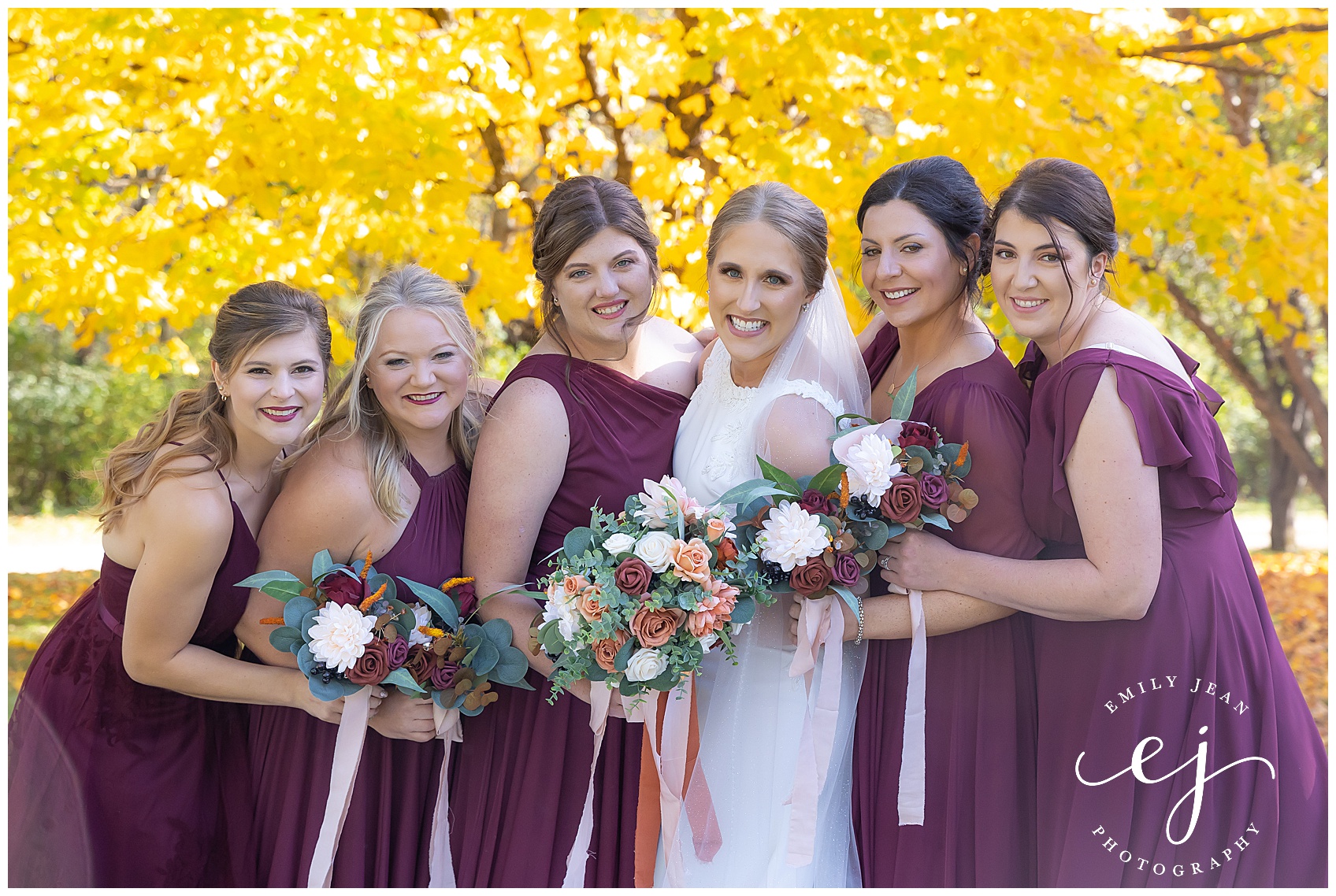 Savana’s dress and hair looked stunning. She killed it in front of my lenses all day long and was a gorgeous bride.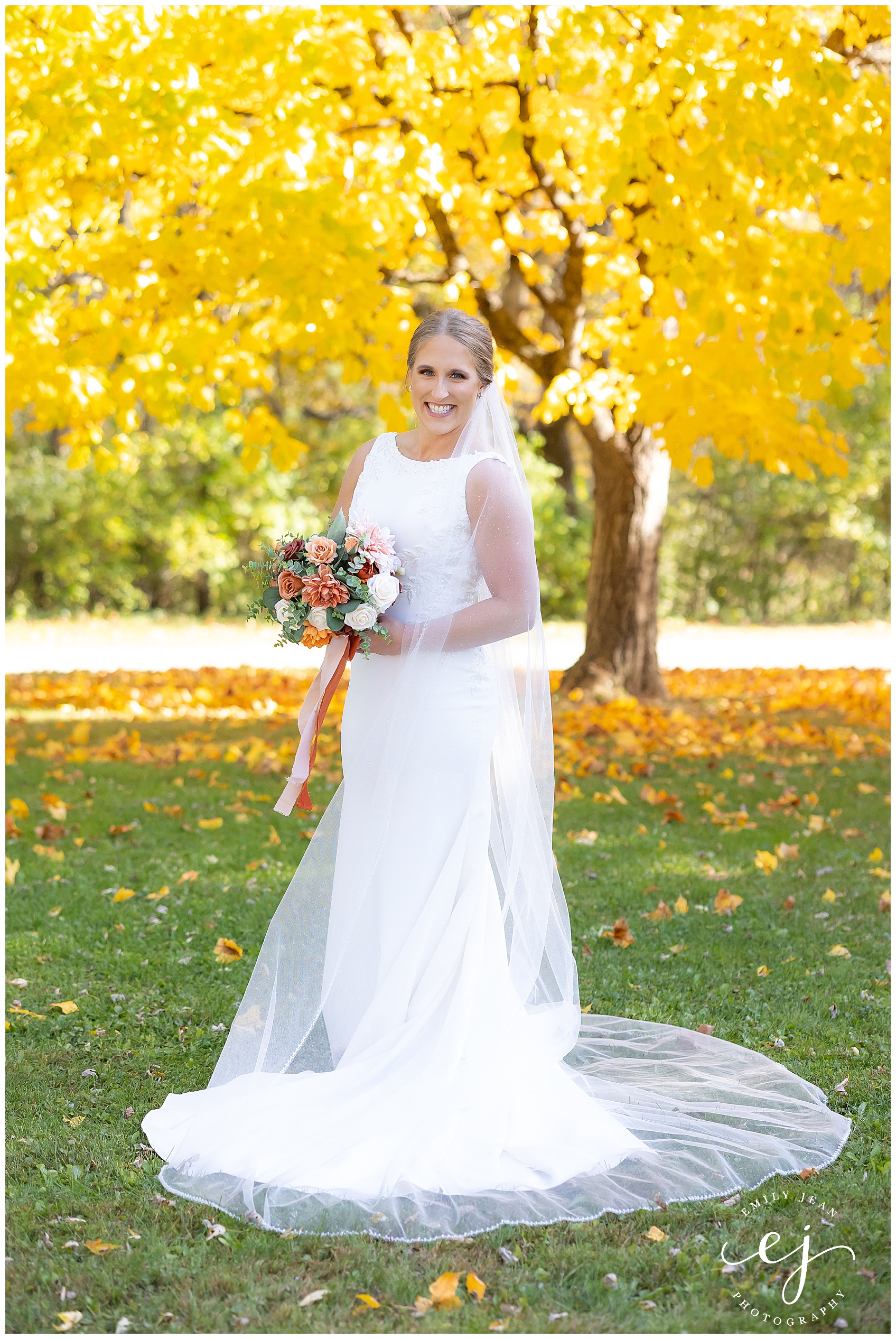
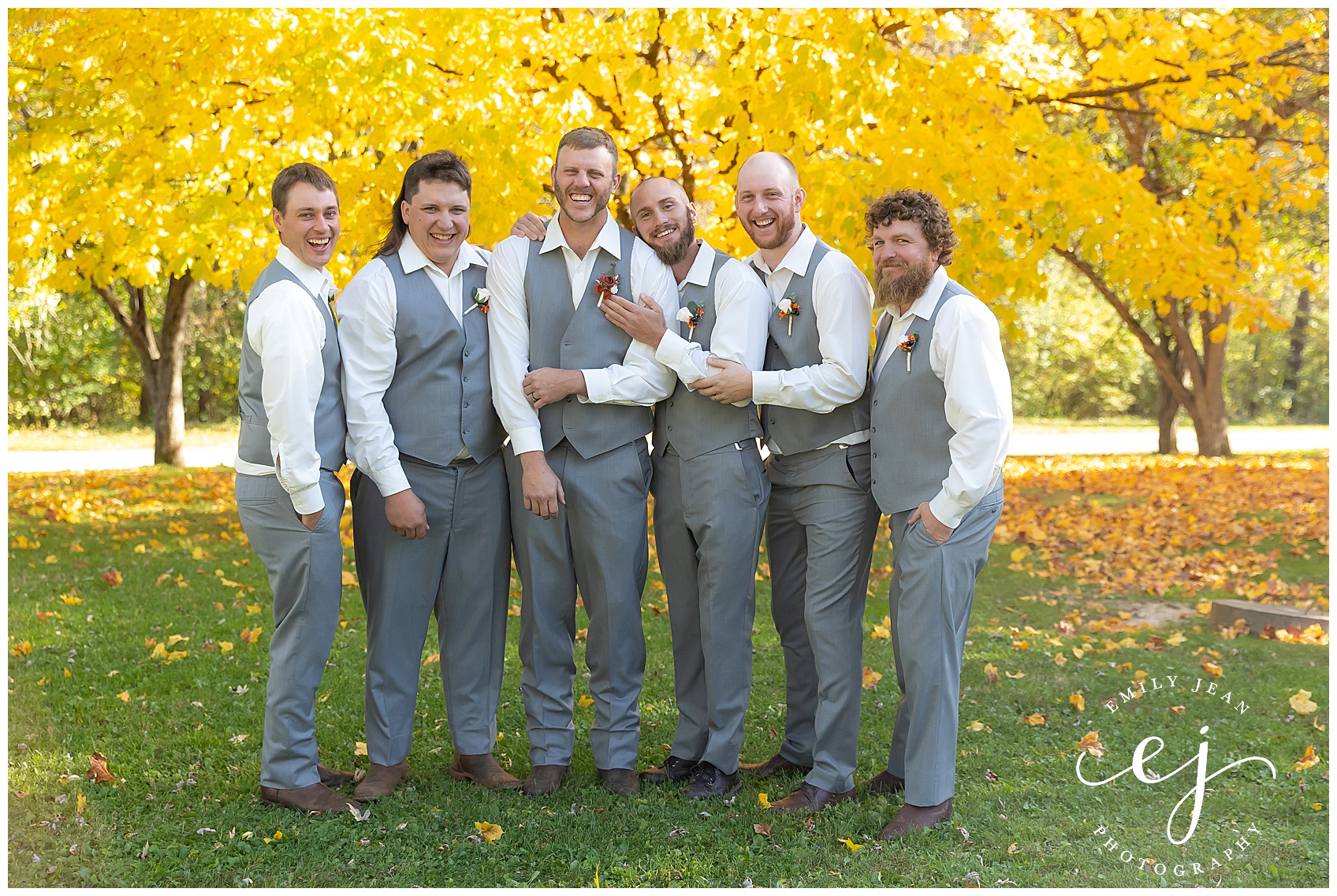
 After the ceremony we were able to get group portraits with the rowdy bunch that was the wedding party. The boys let their wild side show for sure, and we had a ton of fun with the party.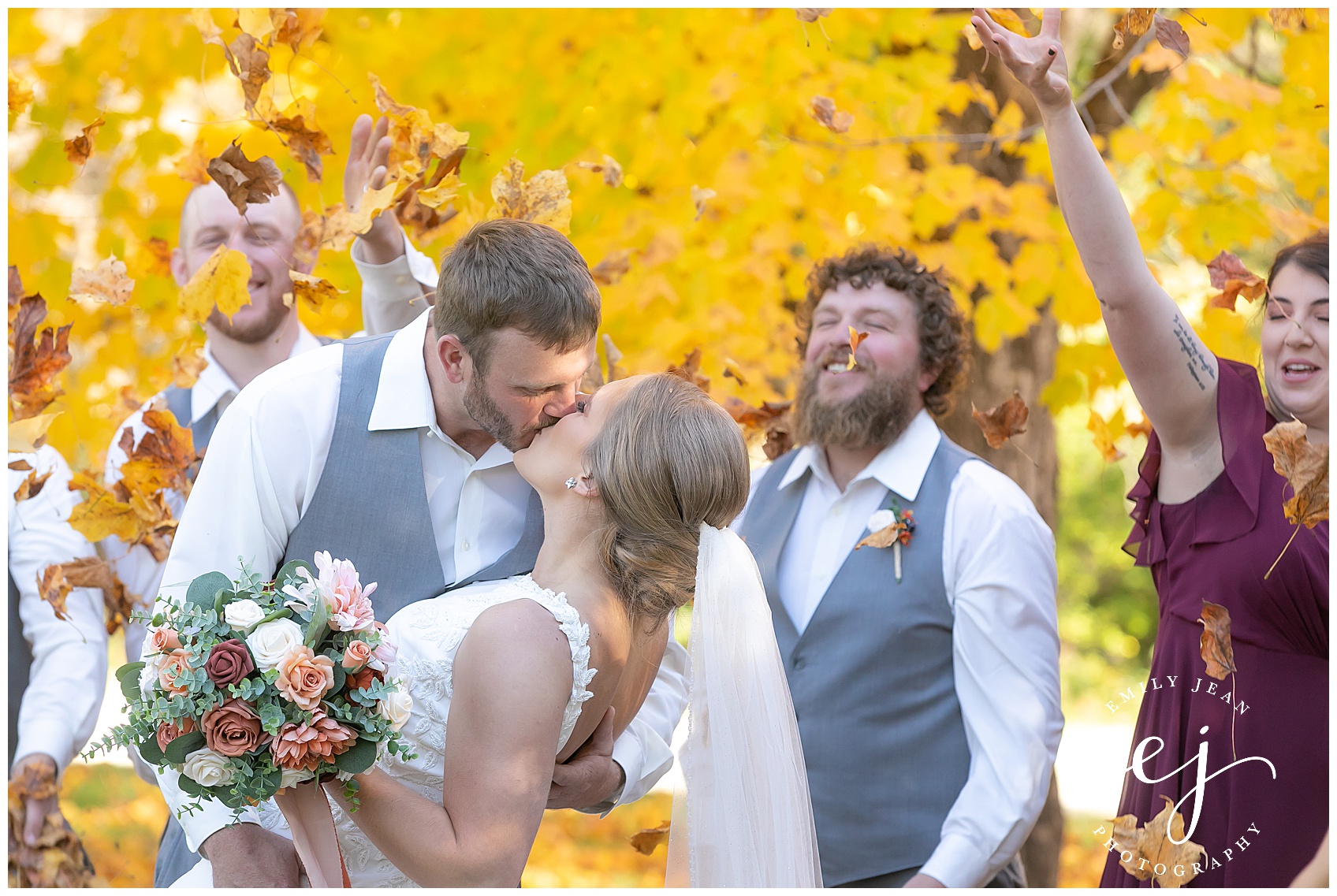
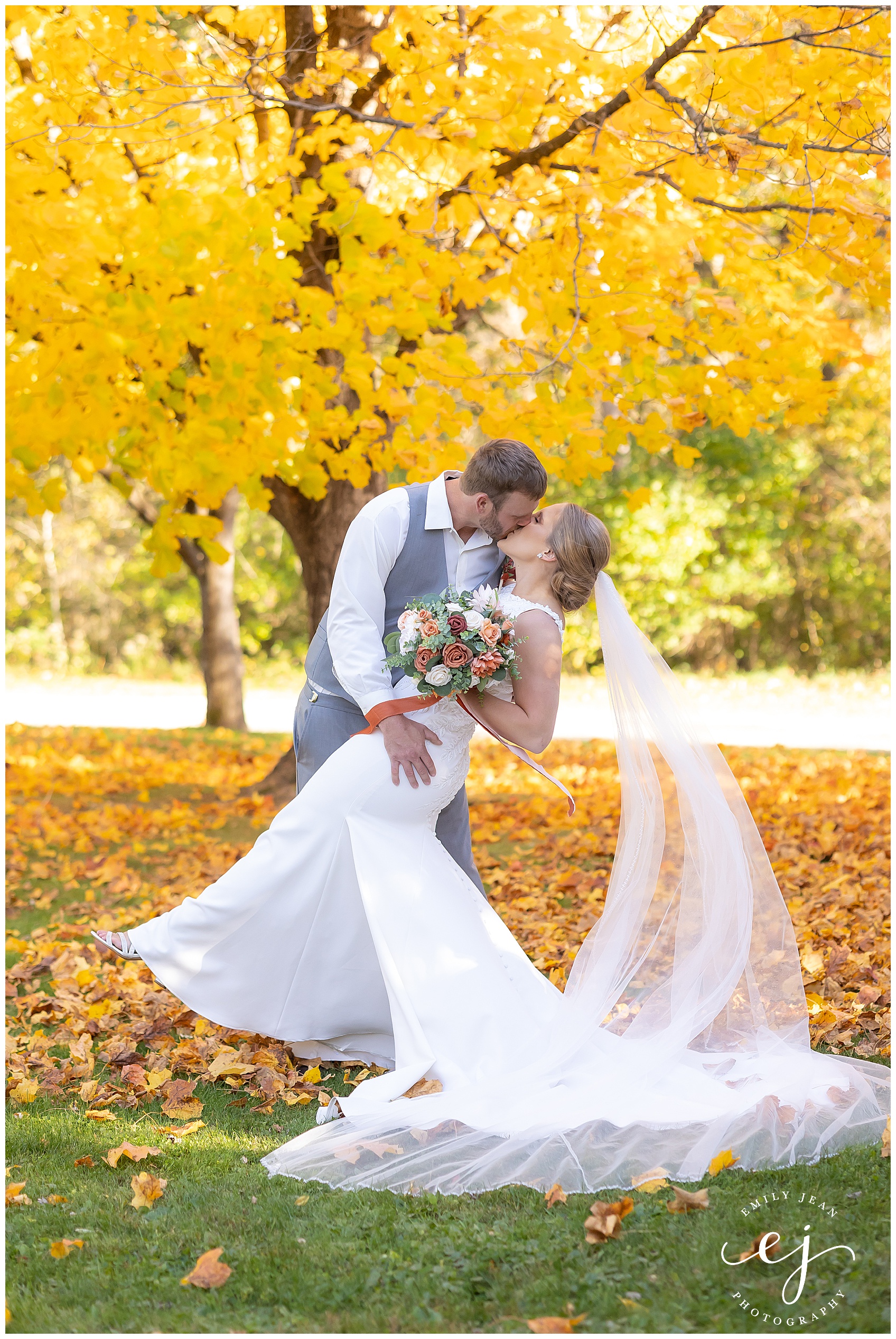
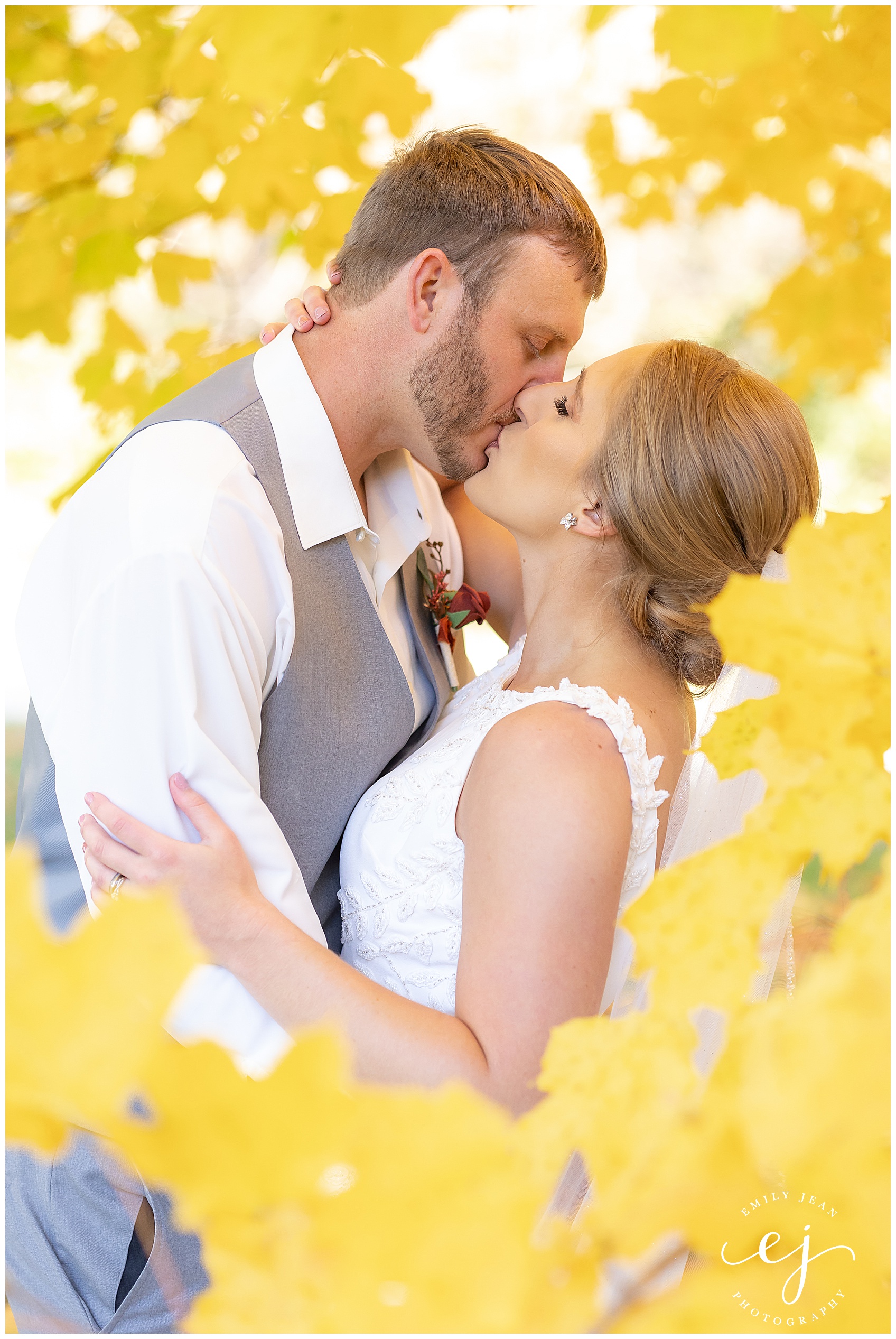
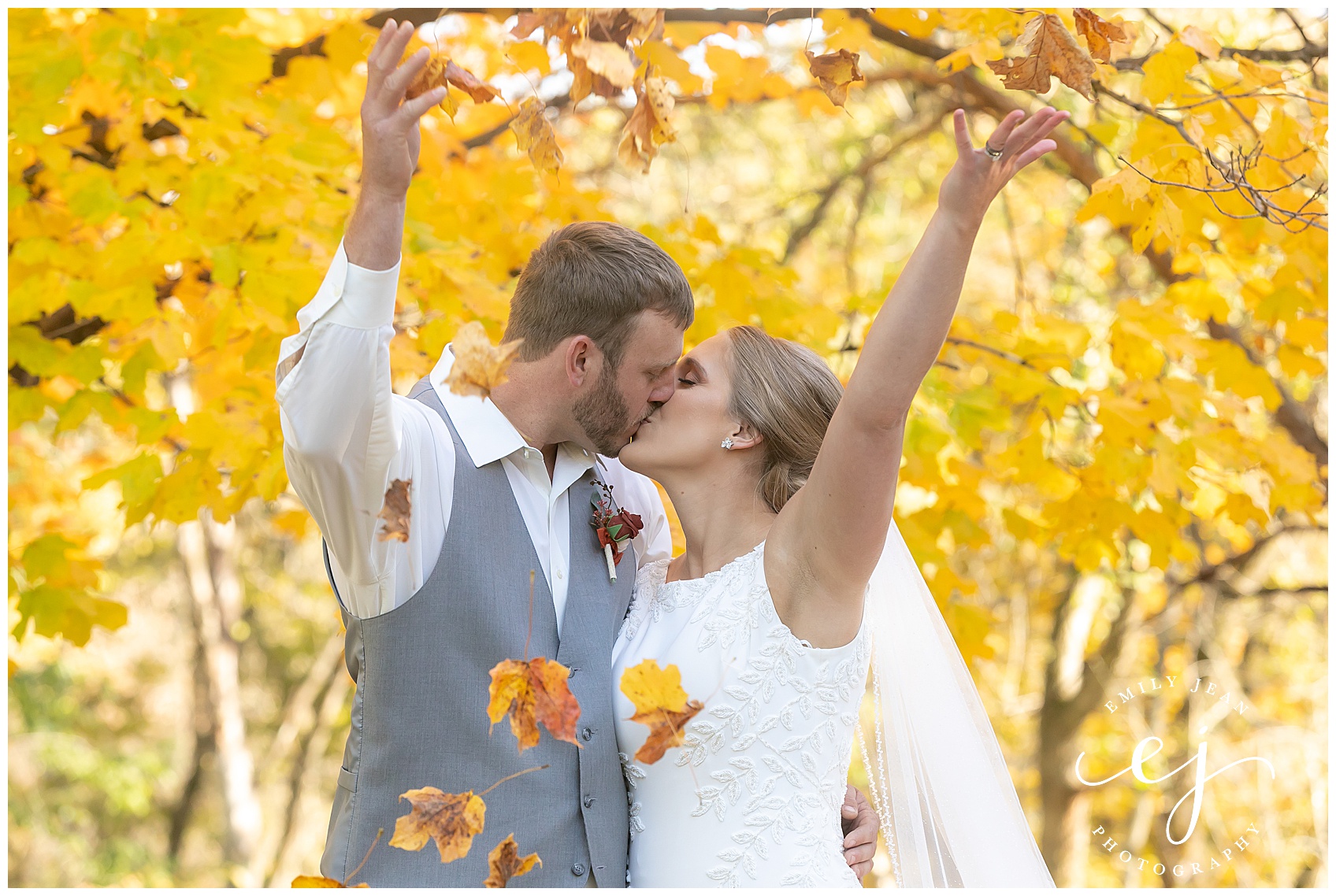
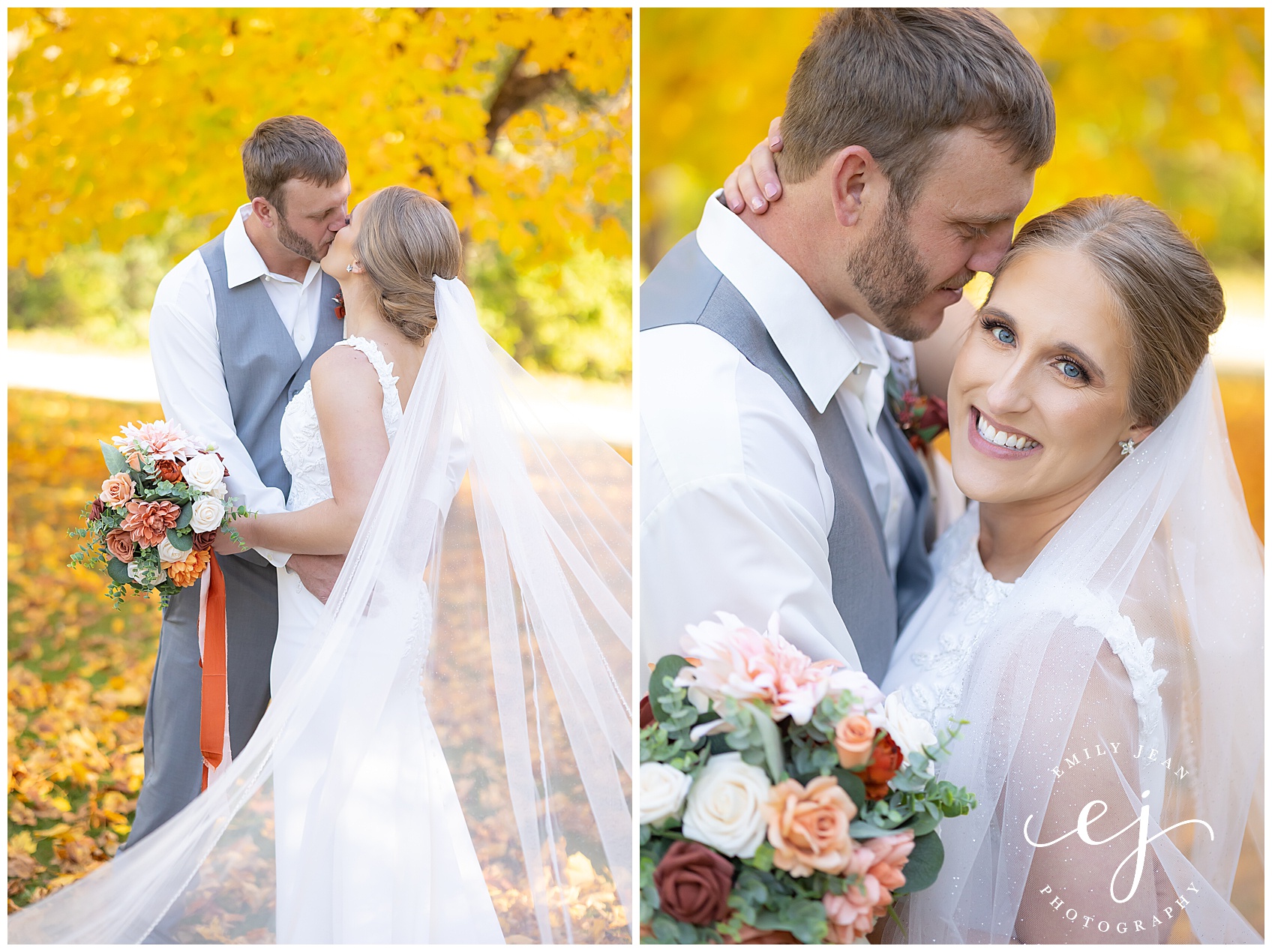 We found a perfect spot to camp out for these pictures in front of trees that exploded with fall colors to provide an amazing backdrop. Savana’s long cathedral veil was a great touch to these pictures and brought true elegance to the scene.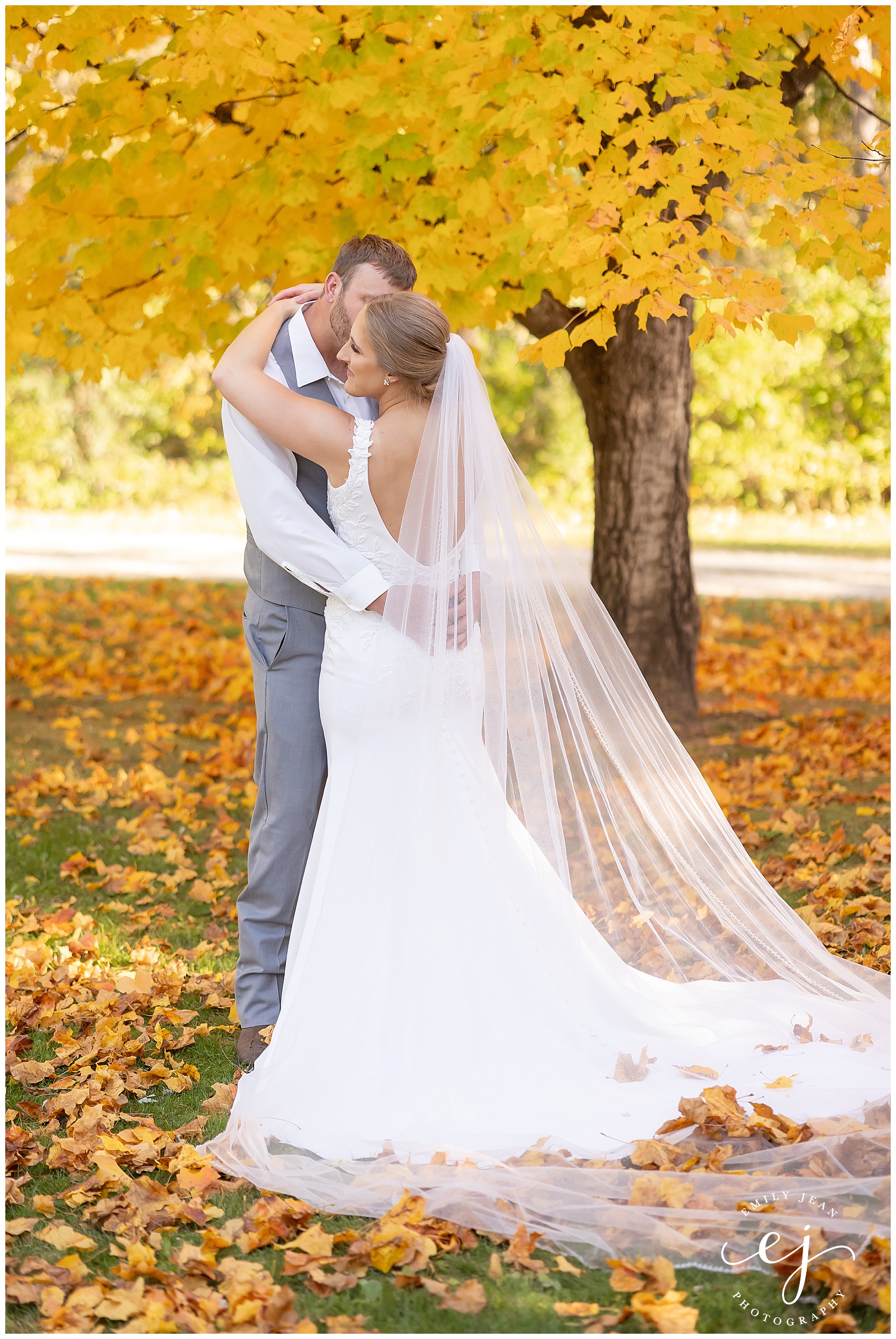
 Savana and Greg are a super simple and fun pair that bring bubbly personalities out of each other. They shared giggle after giggle and smile after smile.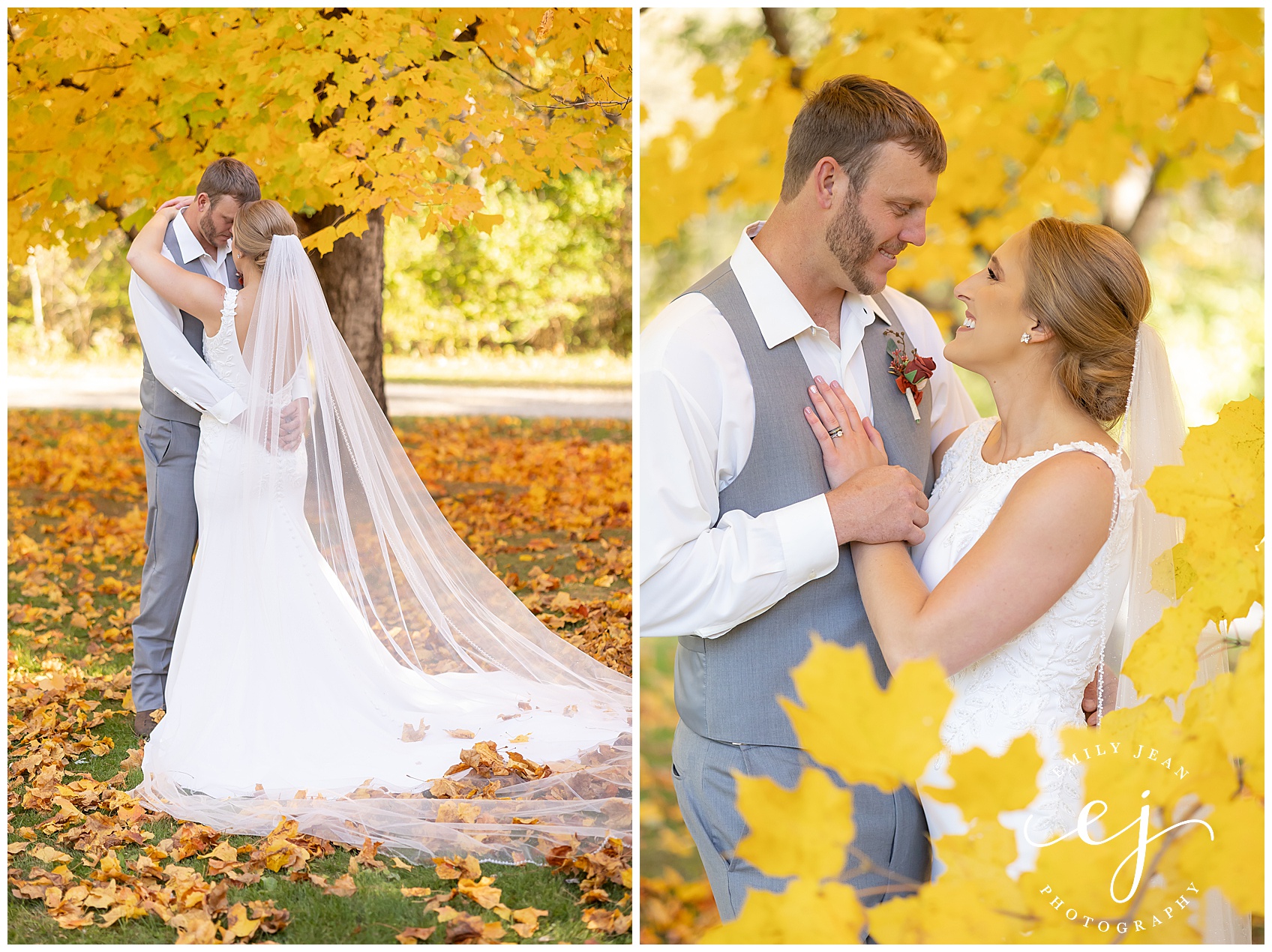
 We then walked a bit from the trees and got some more green looks for balance. I try to do that for all my couples by picking spots they can easily transition between but still add a new dimension and look.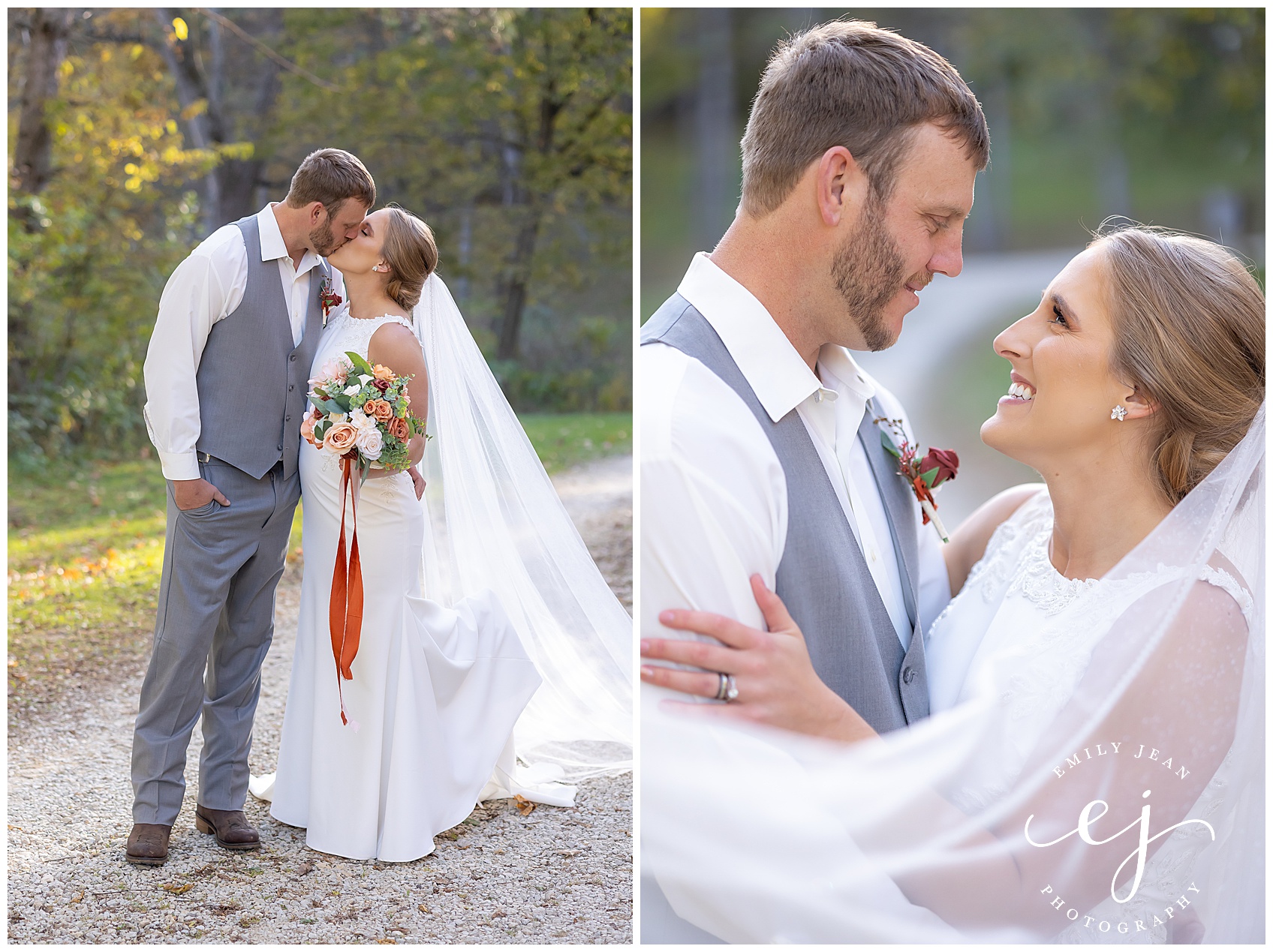
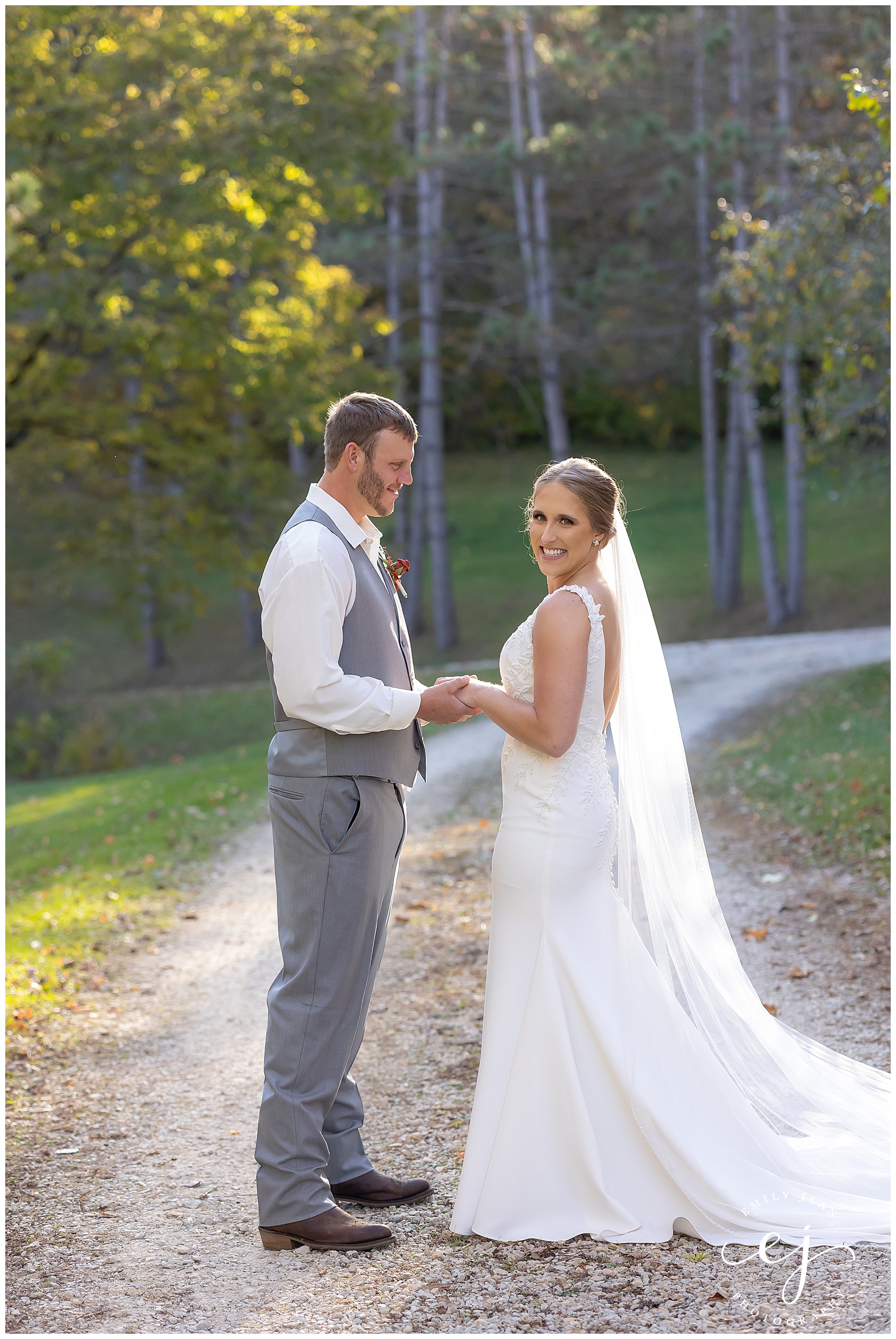 It was easy to see their love for each other throughout the whole day. The giggles were constant, and the sweet way Greg looked at his wife made my job easy.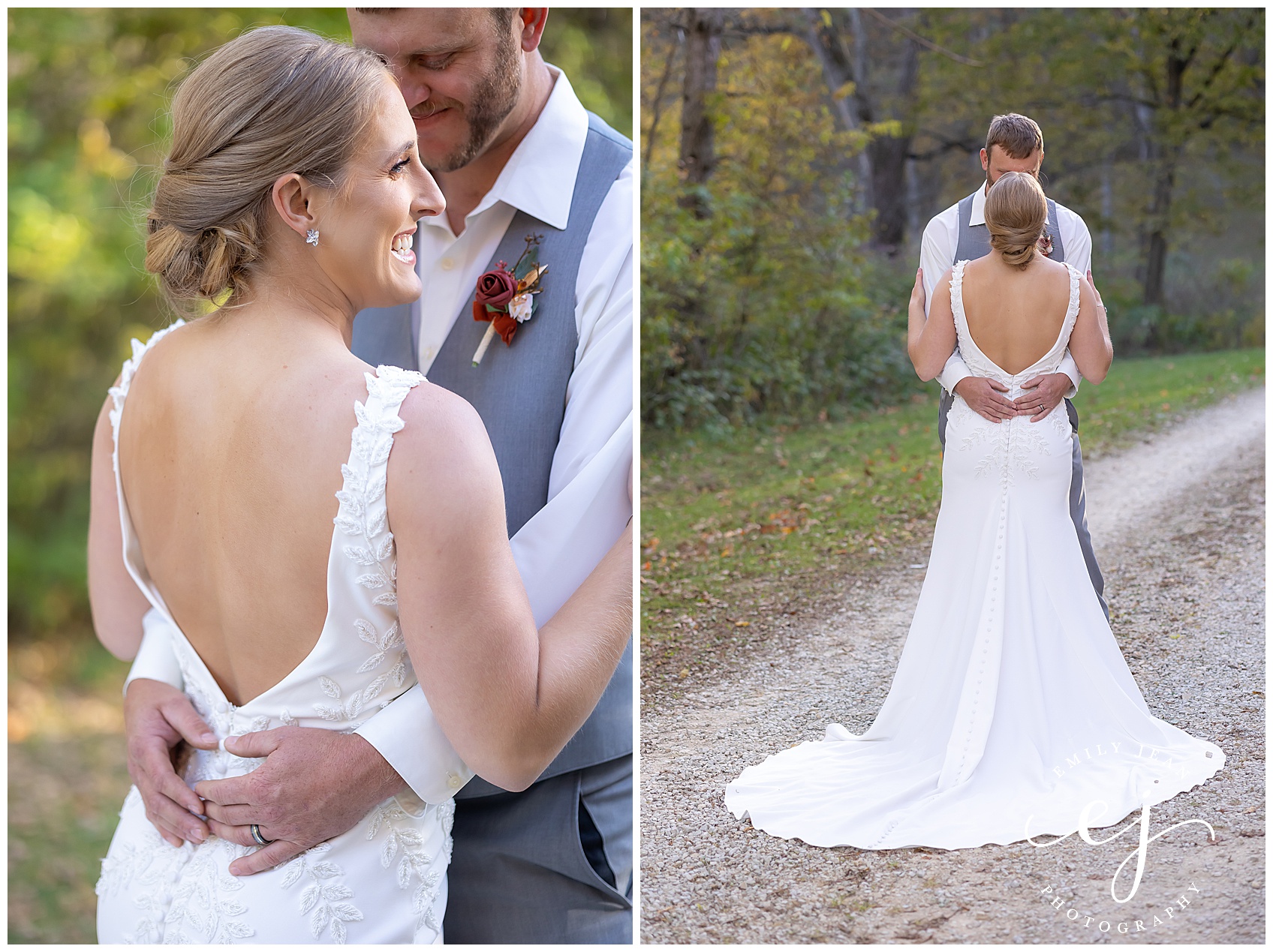
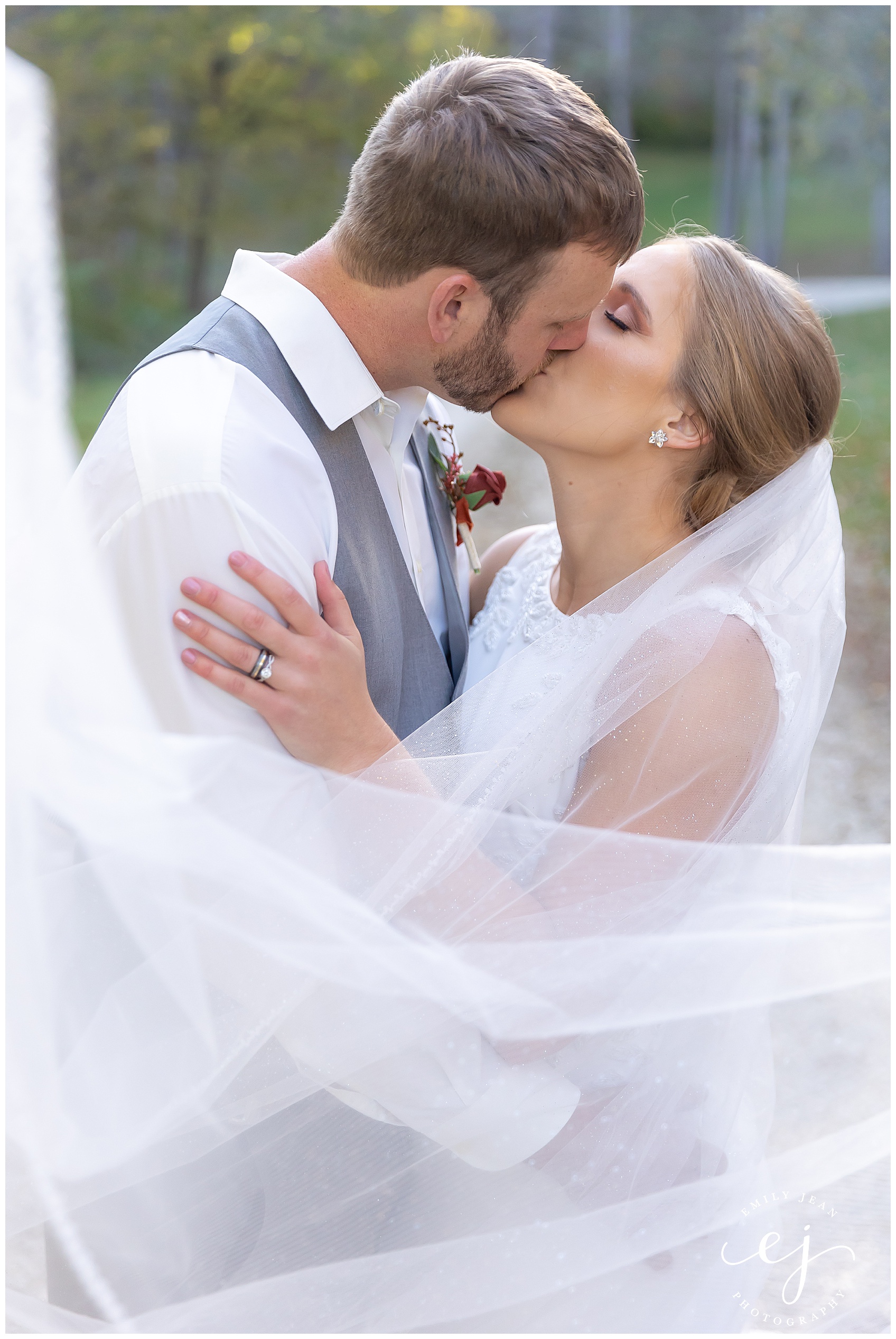
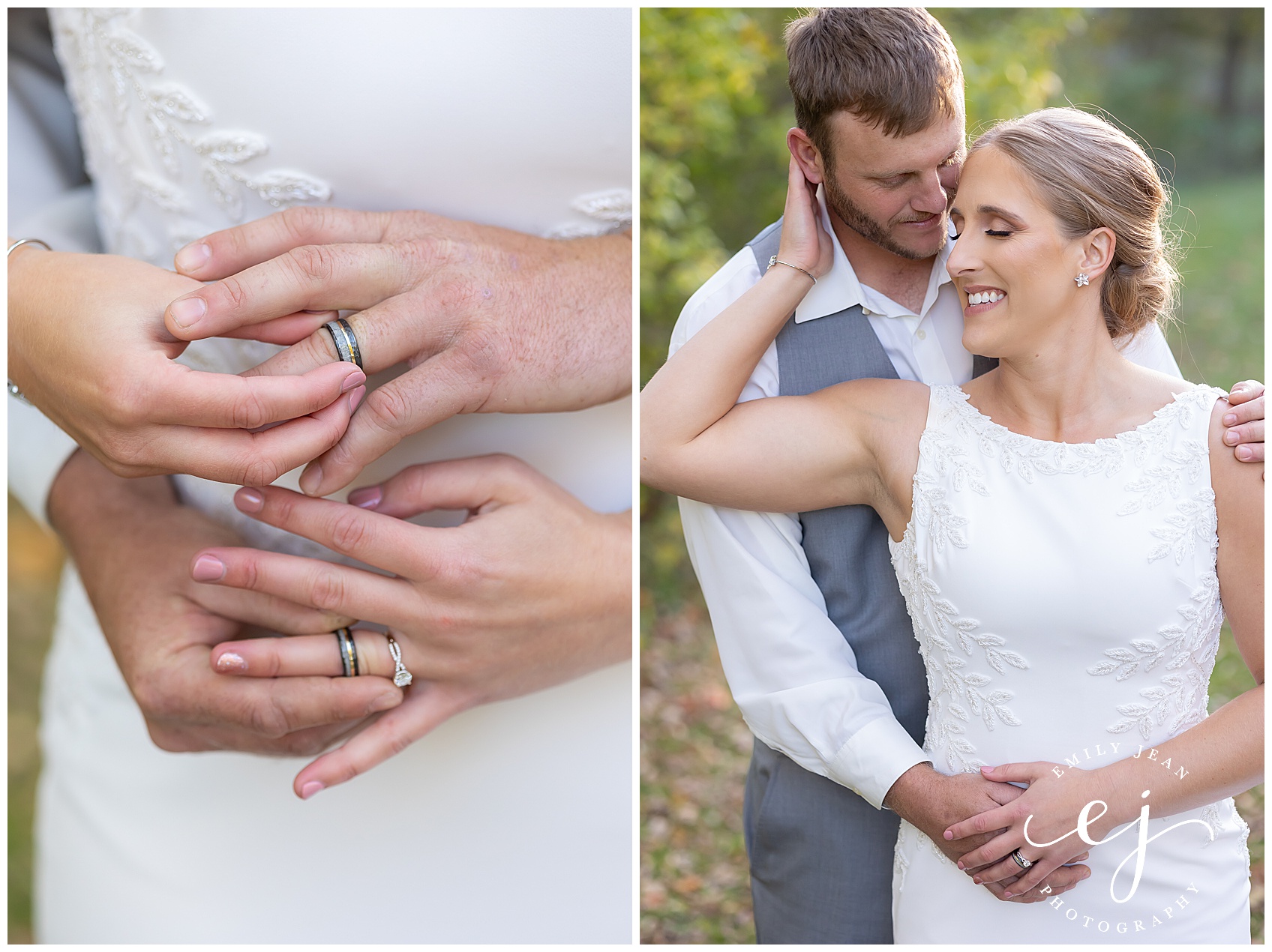 I tried to get a good balance of fun and candid pictures while also staging some more serious and typical wedding portraits. This allows my clients to pick what they love the most, but I strive to give them lots of options.
 She could be on a magazine cover. Seriously. Look at how beautiful she looked!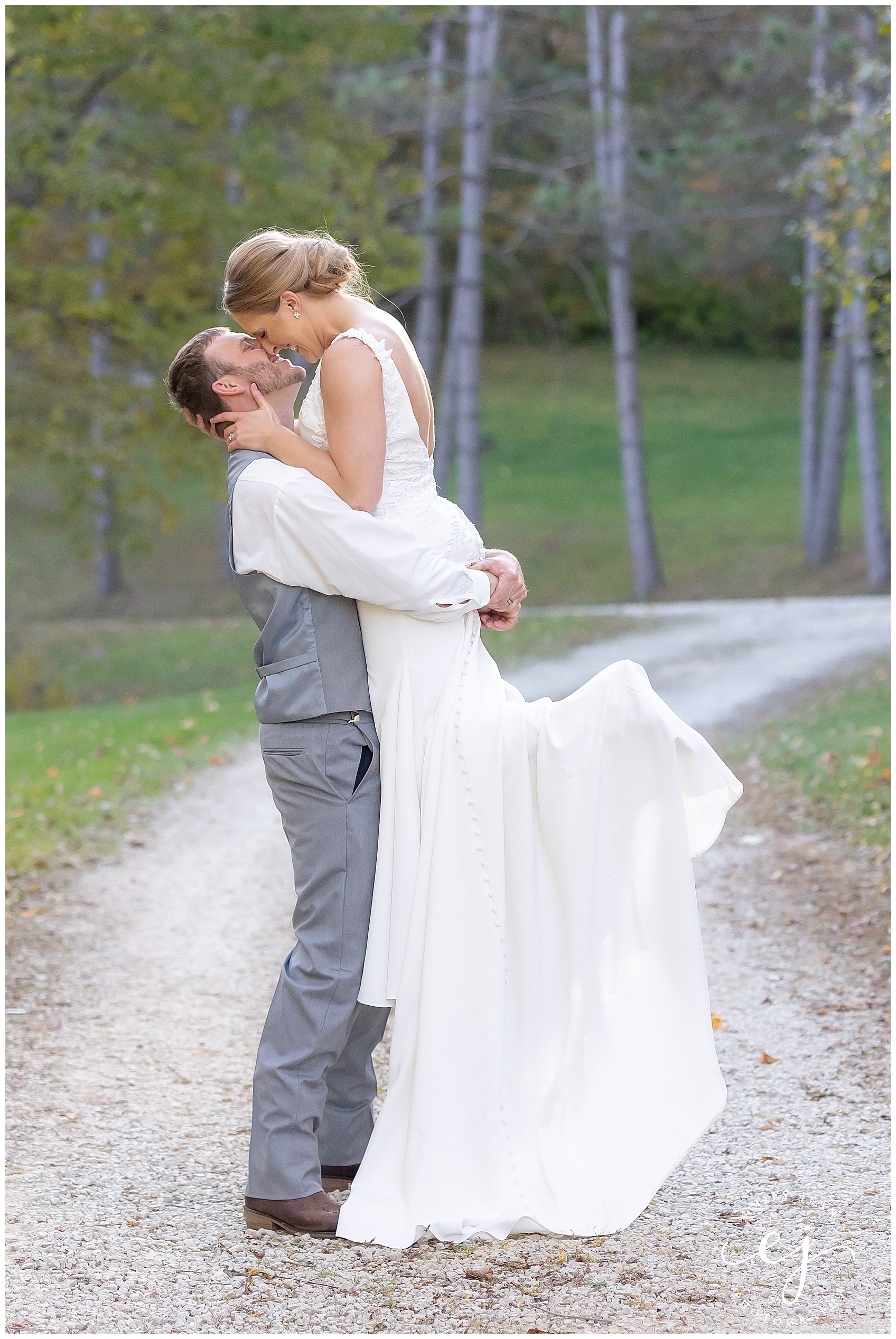
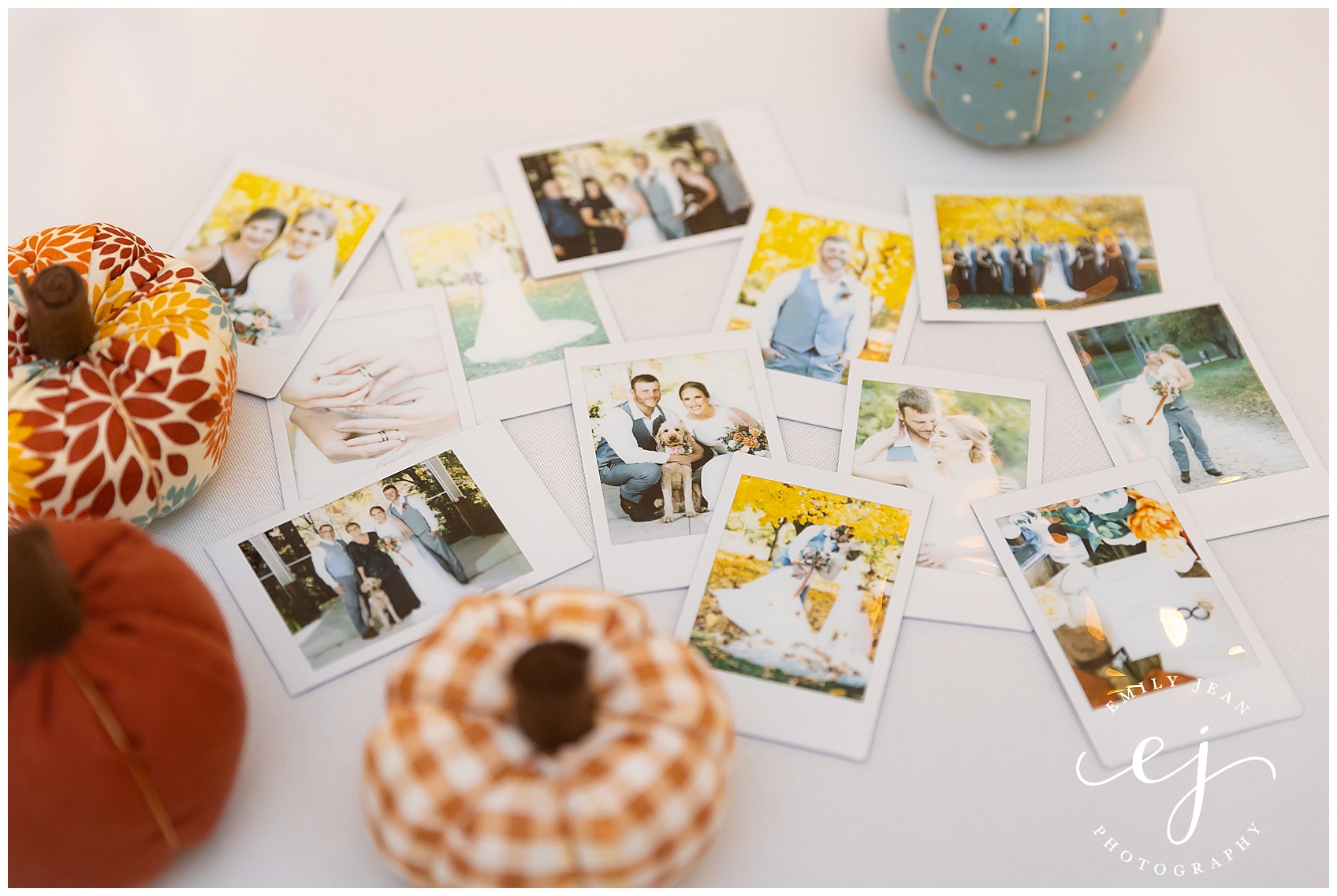 The dinner was very relaxing and social hour emphasized ‘social’—everyone in the room was sharing stories and excitement for the new couple.
 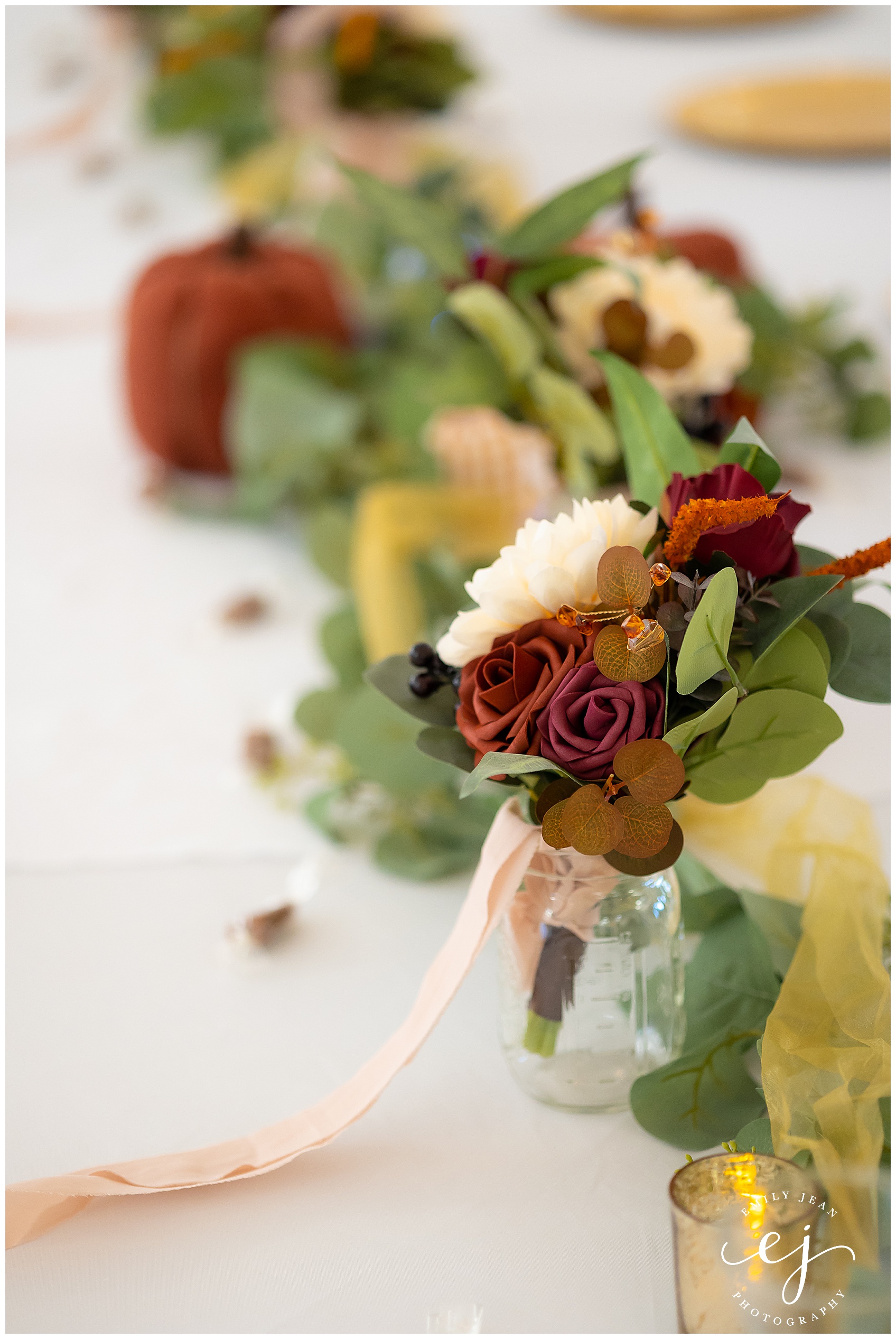 The bride and groom were super simple and easy to work with and made our day great, too. We loved seeing smiles all day!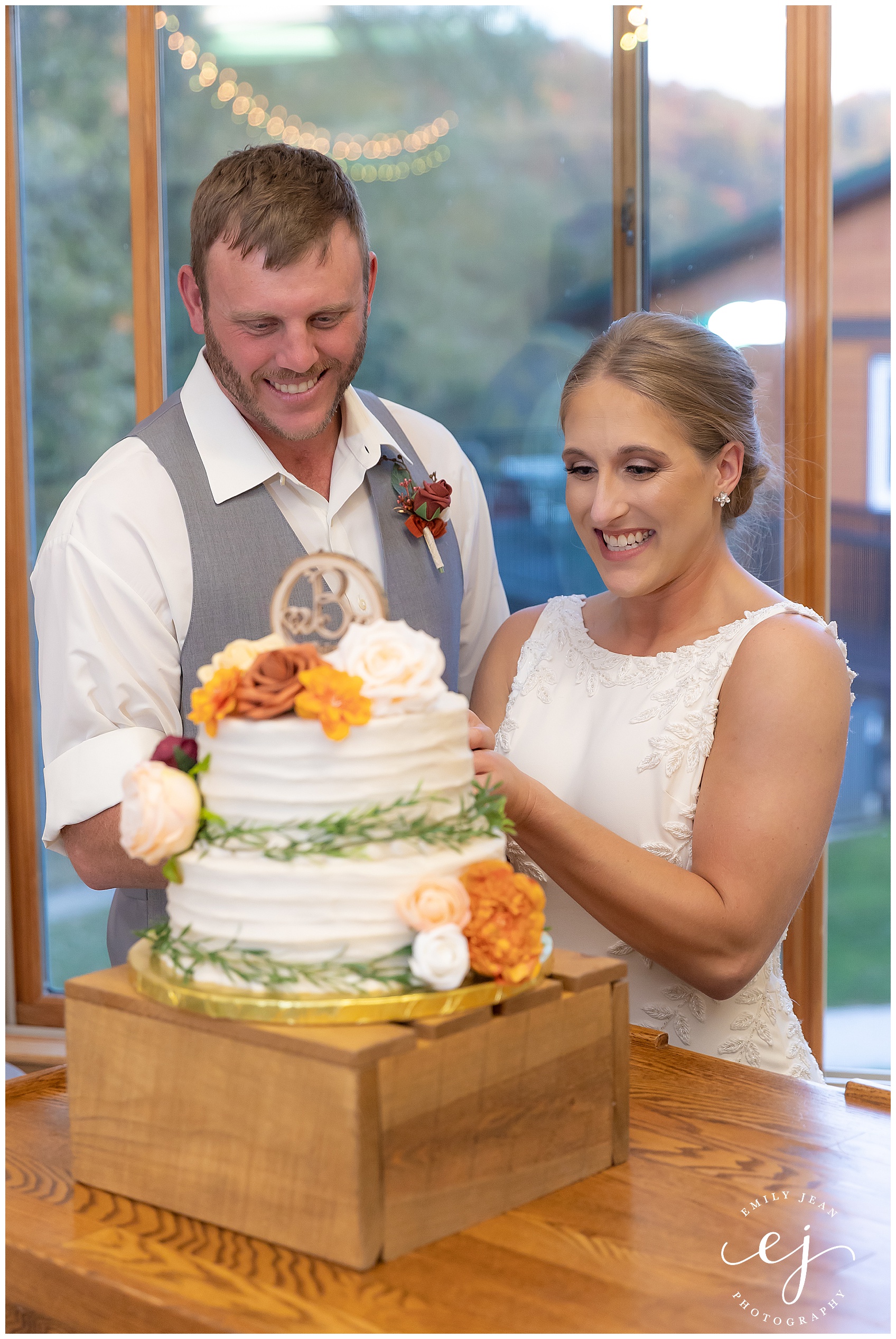
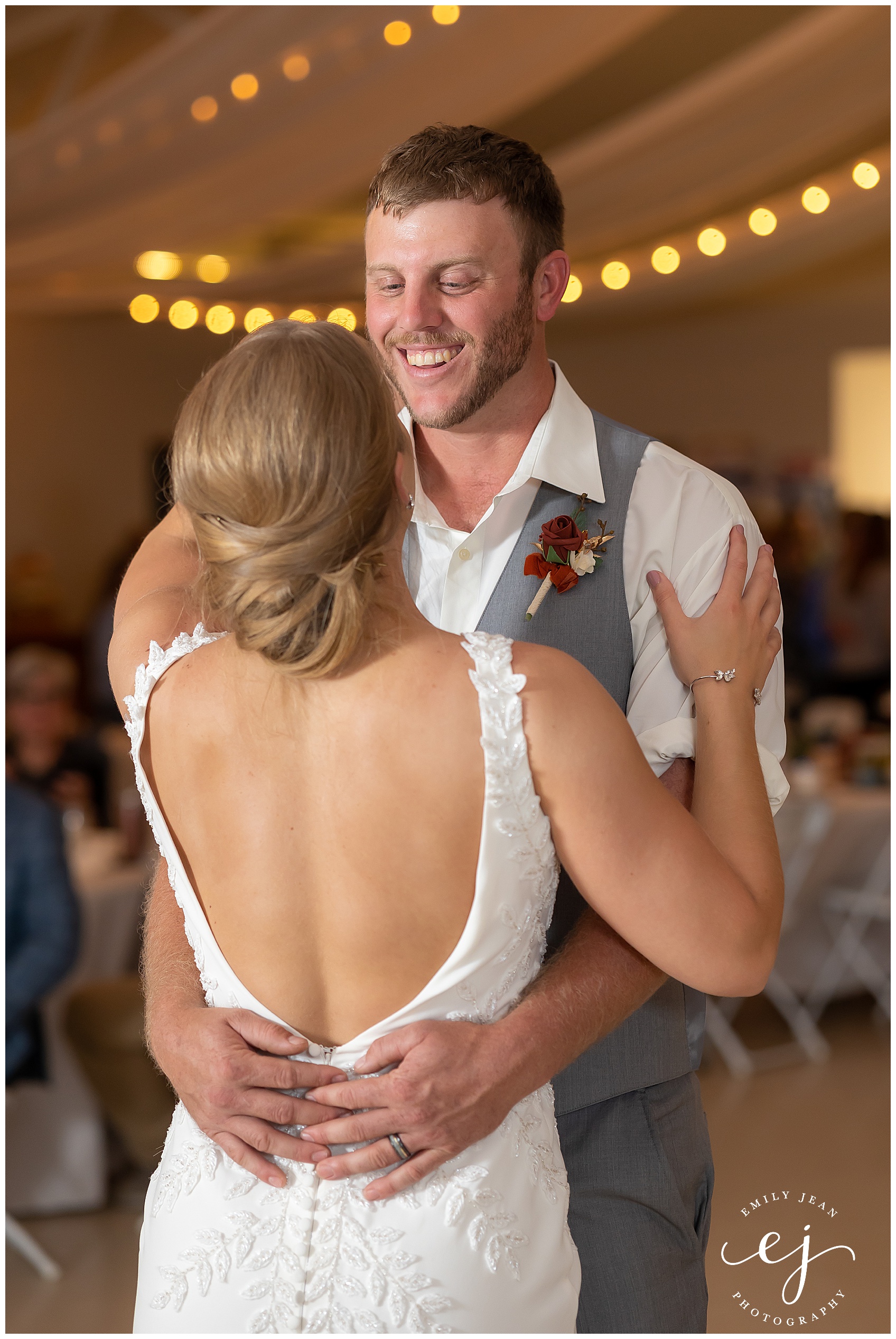
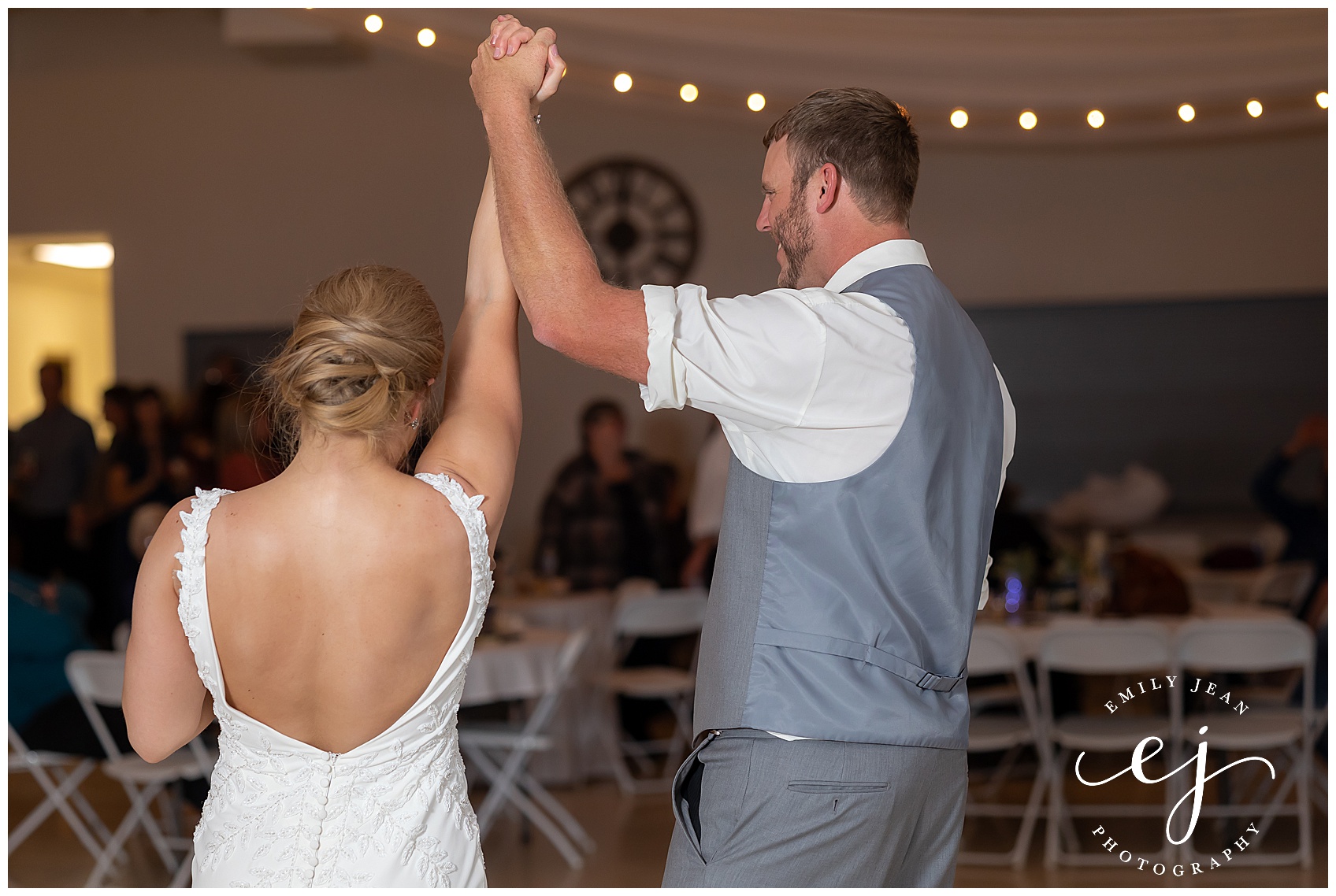 Her father was a puddle of tears and pride, and both sides showed their love.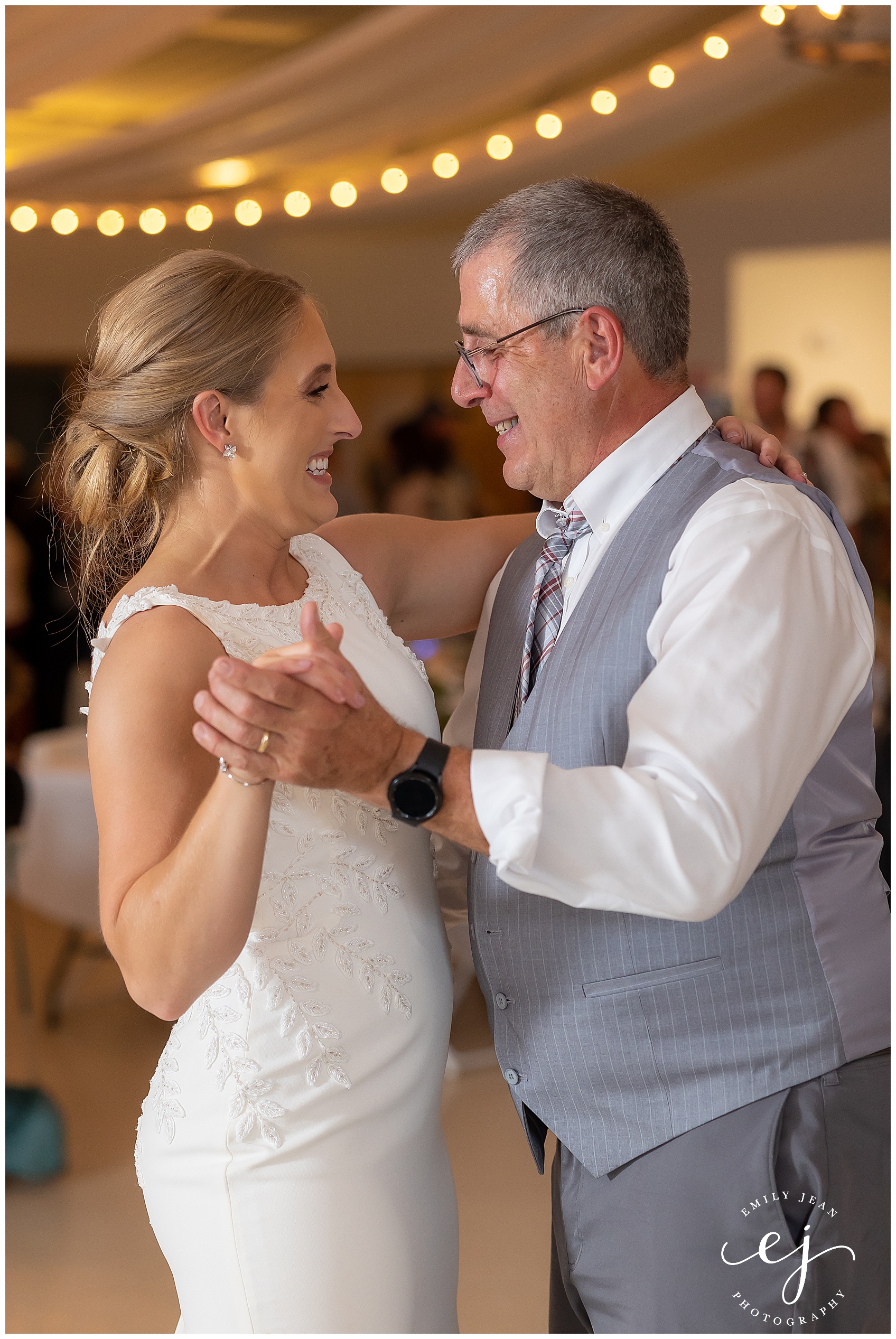
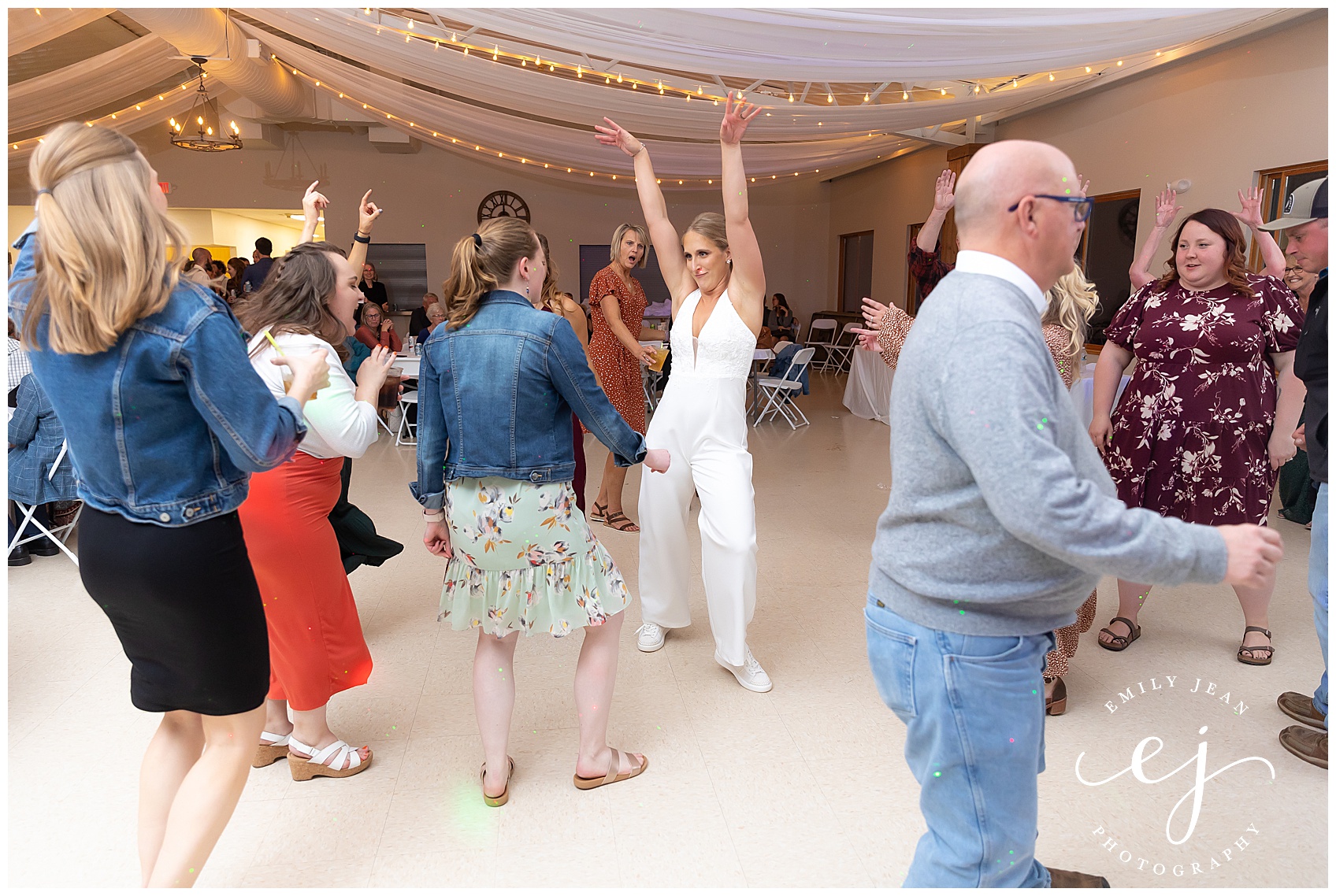
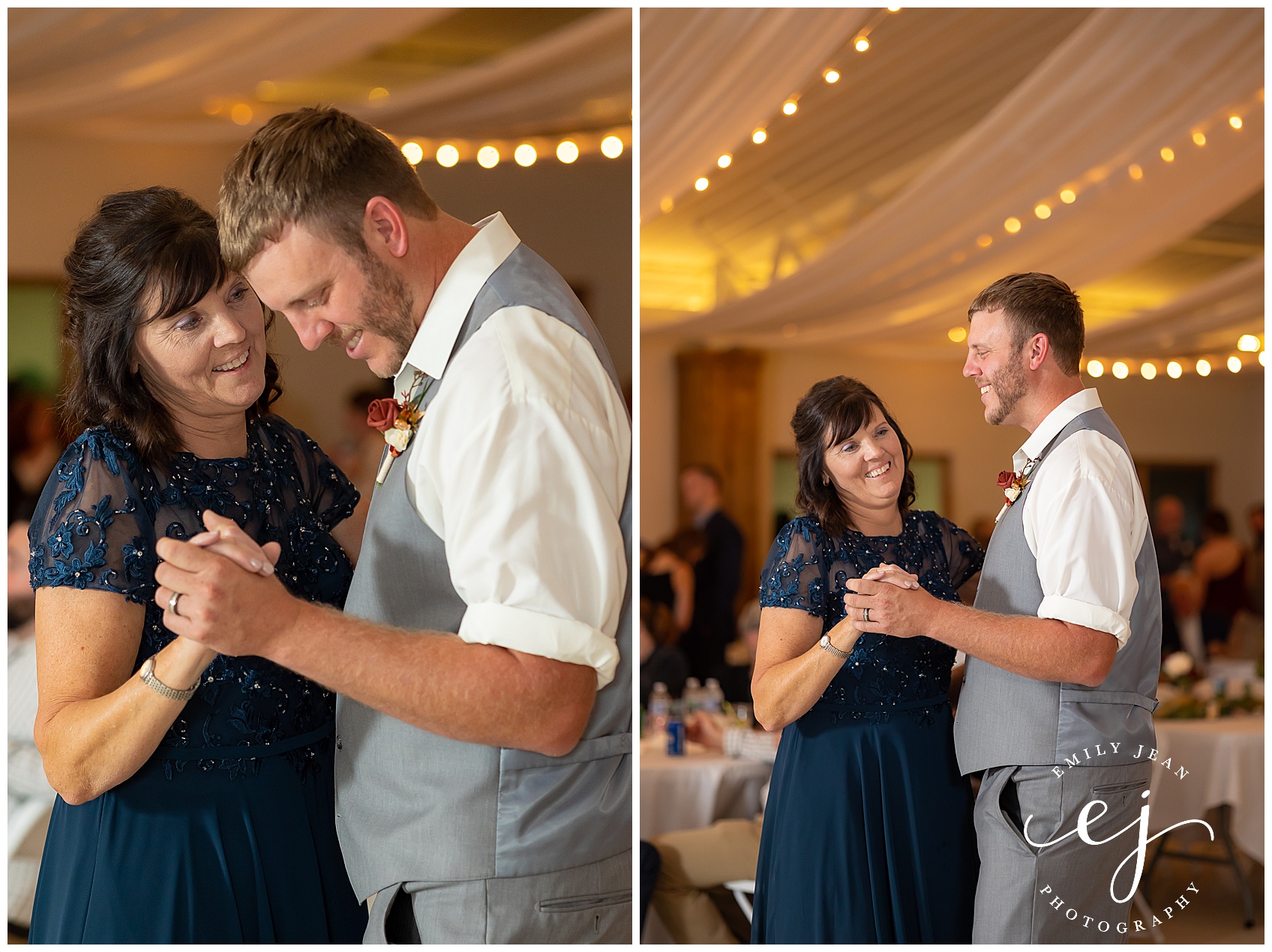 After some tender emotional moments, Savana switched into some sneakers and an adorable romper so she could get on the dance floor, and everyone else followed.
  Grandma and grandpa weren’t afraid to let their fun sides show either and were quick to join in on the dance party.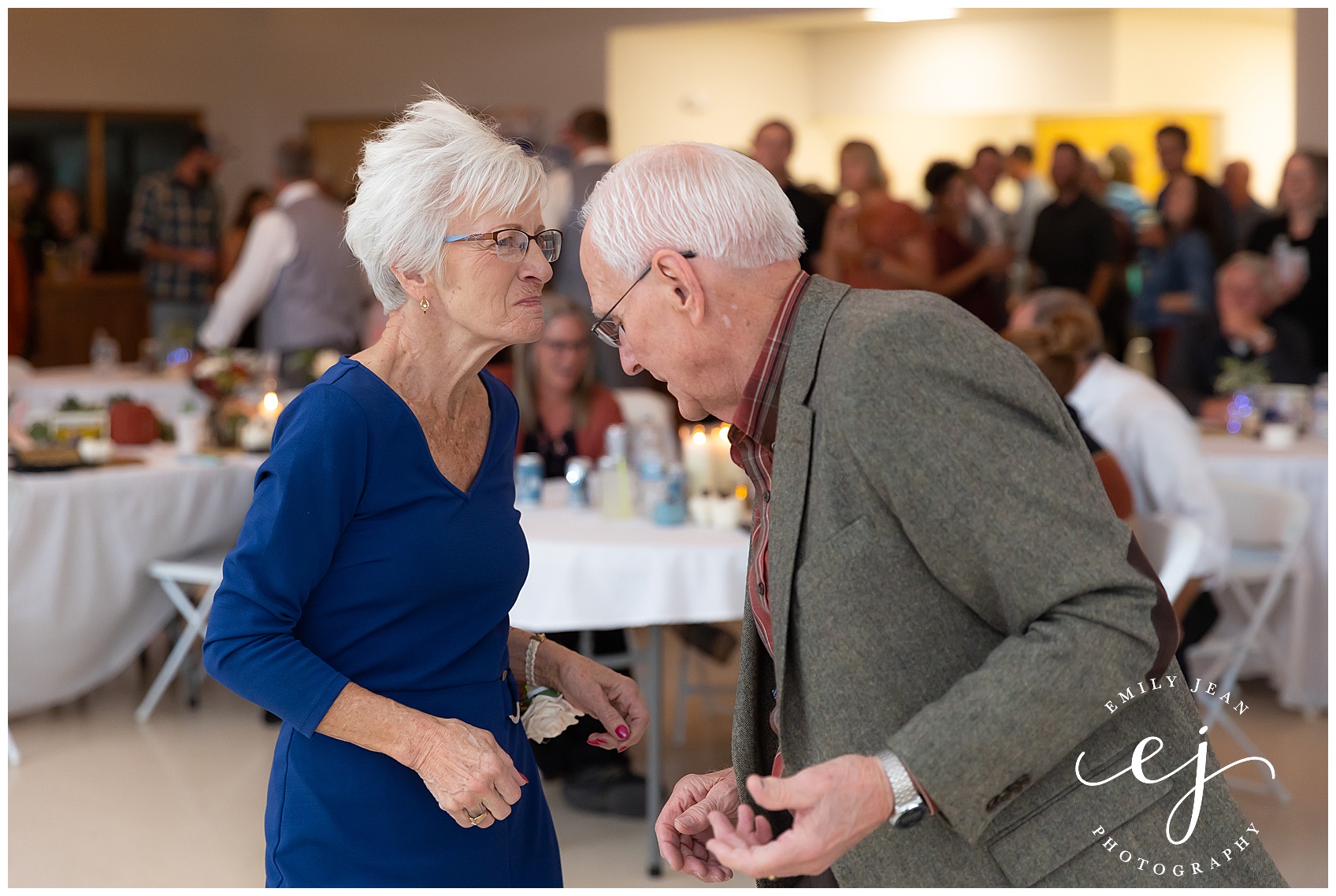
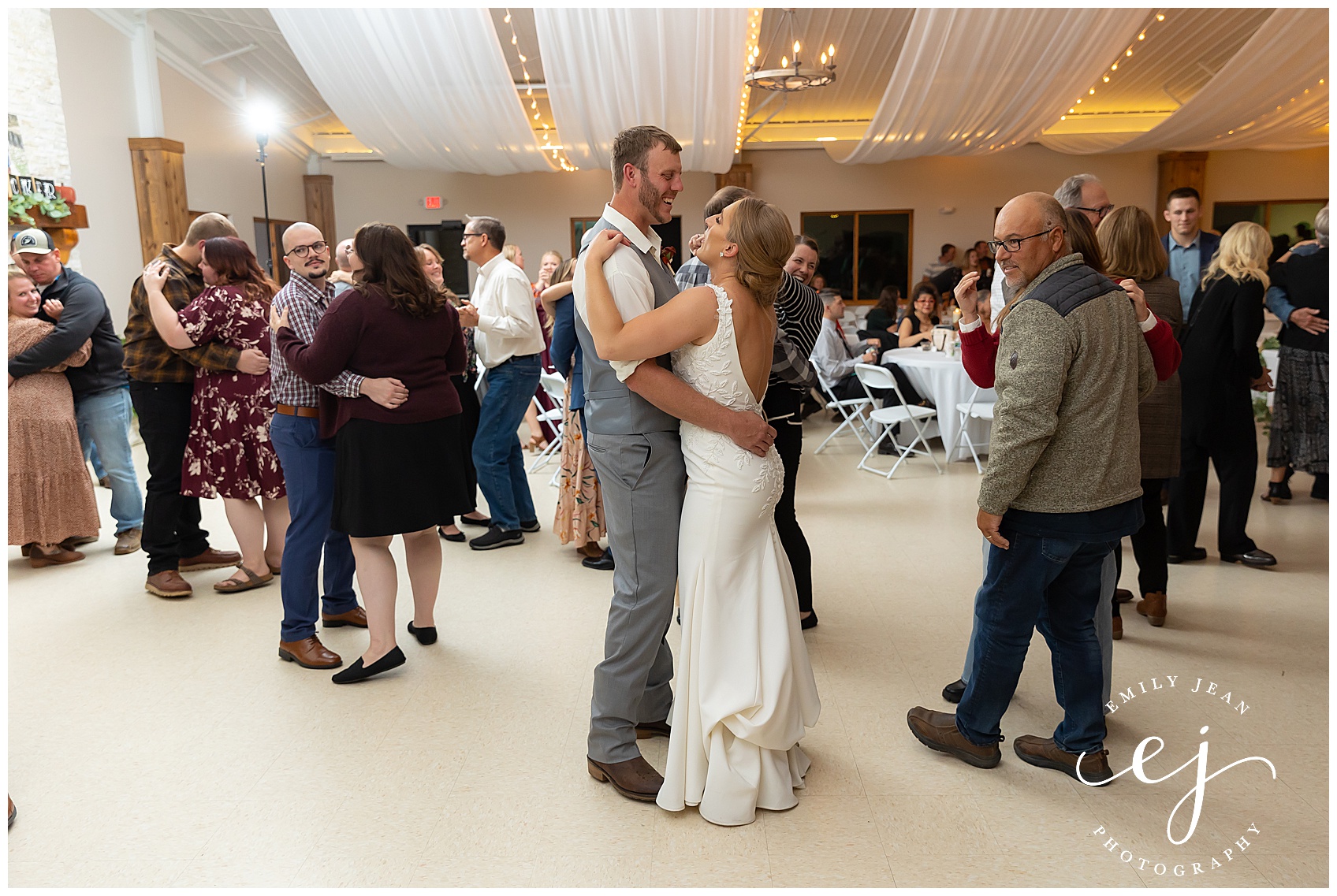
On a day that was relaxing, warm and full of joy, I was so glad that we could participate!
The couple ordered a huge 30×40 canvas for their living room after some suggestions and layout ideas from me, and they also have a canvas from their engagement session proudly on display in their home. 🙂
We hope they will be back to see us as their love and family continues to grow!
Bride’s Dress: Ivory Bridal Co.
Bridesmaid Dresses: David’s Bridal
Stationery: JAM Designs
Hair: Kelsey Most
Floral: Lings Moments
Menswear: Men’s Warehouse
Jewelry: Olive & Piper
Makeup: Orange Pearl
Caterer: Rosie’s Catering
DJ: Ever After Entertainment

